
Why a seaside break works on your own
The coast is easy company. There is always something to look at, whether it is the tide coming in, boats going out or the light changing over the water. A walk along the beach needs no plan and no one to agree with, and a seat in a harbour pub with a view is one of the nicest places to sit alone with a drink.

In winter, the seaside changes character. The crowds go, the beaches open up and the weather becomes part of the show. If you want to walk for hours, the coast path is yours. If you want to wander a town at your own pace, the shops, galleries and cafés that stay open are calmer and friendlier. And if you just want a window, a blanket and a view of the sea, plenty of places are built for that.
A walk along the beach needs no plan and no one to agree with.
From this guide
Things to consider
Every stretch of coast in England and Wales feels different in winter. These are the choices that make the biggest difference to a seaside trip alone, with options for each depending on what you want from it.
Budget
Winter is the low season for most of the coast, so prices often drop sharply after October half term and stay low until Easter, apart from Christmas and New Year. A room with a sea view usually costs more, and it is worth thinking about whether you would use it. Will you spend hours at the window, or be out walking all day? Our three bands are based on the cost of a room for one night.
Which coast
Cornwall and Devon tend to be the mildest in winter, with fishing harbours and art towns that keep going year round. Cornwall in winter is a different place from the summer one: empty beaches, big seas on the north coast and a calmer pace in towns like St Ives, Falmouth and Penzance. The Yorkshire and Northumberland coasts are colder and wilder, with long beaches, castles and fishing towns. East Anglia is flatter and quieter, with big skies and shingle beaches. In Wales, Pembrokeshire, Gower and the Llŷn Peninsula offer cliffs, coves and coast paths with few people on them.
- If you wantmild weather and art townsYou may preferCornwall or south Devon, where harbour towns keep going through winter.
- If you wantwild beaches and castlesYou may preferThe Northumberland or north Yorkshire coast, with long walks and fishing towns.
- If you wantbig skies and quietYou may preferThe Norfolk or Suffolk coast, with shingle beaches and marshes.
- If you wantcliffs and covesYou may preferPembrokeshire, Gower or the Llŷn Peninsula in Wales.


Which town
This is where a winter seaside trip is won or lost. Some resorts almost close between November and March, while others are lived-in towns with a year-round population, so the cafés, bookshops and pubs stay open. Think about what you want from a day. Is it a long walk with lunch at the end? Galleries and a good dinner? Or a quiet harbour where nothing much happens at all?

- If you wantplenty to doYou may preferA larger town with galleries, independent shops and a choice of places to eat.
- If you wanta small harbourYou may preferA fishing village with a pub, a café and boats to watch.
- If you wantwalking from the doorYou may preferA town on a national trail, so you can walk out along the coast path each day.
- If you wantsomewhere to settle inYou may preferA town with a good café and a bookshop, where you can make yourself a regular for a few days.
Storm watching and weather
For many people, the weather is the reason to go. Watching a winter storm roll in from a warm window is hard to beat, and exposed spots like Porthleven and Sennen Cove in Cornwall or Porthcawl in south Wales are known for big seas. But storm waves are powerful and can reach further than you expect. The RNLI’s advice is simple: stay back, stay high and stay dry. Harbour walls and sea fronts can be the most dangerous places to stand in a storm.

- If you wantdramaYou may preferAn exposed headland or a north-facing coast, watched from a café or your room.
- If you wantcalm waterYou may preferA sheltered estuary or harbour, where walks are easier in rough weather.
- If you wanta bit of bothYou may preferA town with a wild beach on one side and a sheltered harbour on the other.
Check the tide times as well as the forecast. Some beach walks and rock arches are only safe at low tide, and winter tides can cut you off quickly.
Getting there without a car
Plenty of seaside towns are easy to reach by train, which can make the trip feel simpler and lets you have a glass of wine with dinner. Some branch lines are lovely journeys in themselves: the line from St Erth to St Ives runs along the edge of the bay, and the Esk Valley line to Whitby winds through the North York Moors. Tenby, Falmouth, Scarborough and many others have stations close to the centre. Buses along the coast tend to run less often in winter, so check timetables before you rely on them.
- If you wantan easy journeyYou may preferA town at the end of a branch line, with your stay a short walk from the station.
- If you wantto explore along the coastYou may preferA car, or a base on a coast path where you can walk between villages.
- If you wantnot to plan muchYou may preferA walkable town with everything close by, so you never need transport.
Evenings by the sea
It gets dark early on the coast in winter, so the evenings are a big part of the trip. A harbour pub with a fire, fish and chips on the sea wall, or a long dinner in a restaurant overlooking the water can all be lovely on your own. Think about whether you want to go out, or have everything you need where you are staying.

- If you wantdinner with a viewYou may preferA hotel or restaurant overlooking the sea, booked for when it is still light.
- If you wanta pub by the fireYou may preferAn inn with rooms on the harbour, so dinner is downstairs.
- If you wanta quiet night inYou may preferA room with a sea view, a deep bath and a good book.
What to look for
A few things make a seaside stay easier in winter, especially on your own. Most can be checked on the listing or with a quick message.
- Open all yearSome places close in the quiet months, so check before you plan.
- A walkable locationClose to the front, the harbour or the station.
- A sea view, if it mattersAsk which rooms have one, as it can vary.
- Somewhere to dry offBoot rooms and radiators help after a wet walk.
- Dinner nearbyA restaurant on site, or a few good places to eat in walking distance.
- Shelter from the windExposed rooms can be noisy in a storm. Ask if that matters to you.
Tips for a seaside trip alone
- Walk at low tideBeaches are wider and walks easier. Tide tables are free online.
- Watch storms from a distanceStay back from sea walls, piers and harbour edges when the waves are big.
- Book a table with a viewAsk for a window seat and go early, while there is still light over the water.
- Go midweekWeekends can be busy in popular towns. Midweek is quieter and often cheaper.
- Pack for windA hat, gloves and a waterproof make coast walks more comfortable.
- Check winter opening hoursCafés, galleries and boat trips may run shorter hours or close for the season.
Our recommended seaside stays
These are the seaside stays we would book for a winter break alone, from harbour inns to clifftop hotels. Each one comes from our list of independent stays, with notes on why it suits a solo stay and anything worth knowing, such as which rooms face the sea.
Some links earn us a small commission. It never changes which stays we pick or what you pay.
-
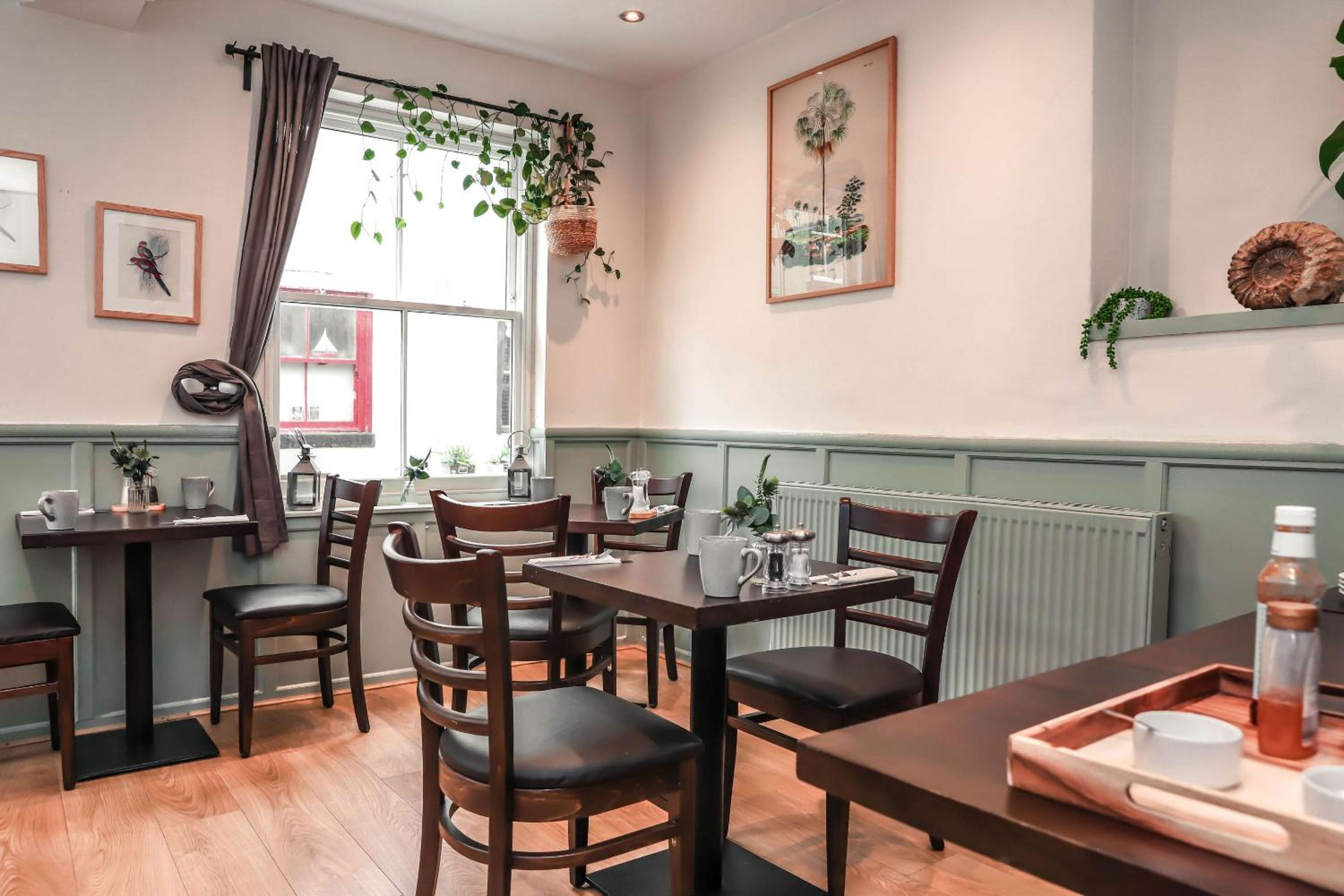 On our list£££Mid-range
The Endeavour
Staithes, North Yorkshire- A tiny, personal B&B on the cobbles of a fishing village
- Adults only, with the coast path on the doorstep
Trade-off: there is no dinner on site, and it is a bus or taxi from Whitby.
See the stayPrices vary by date -
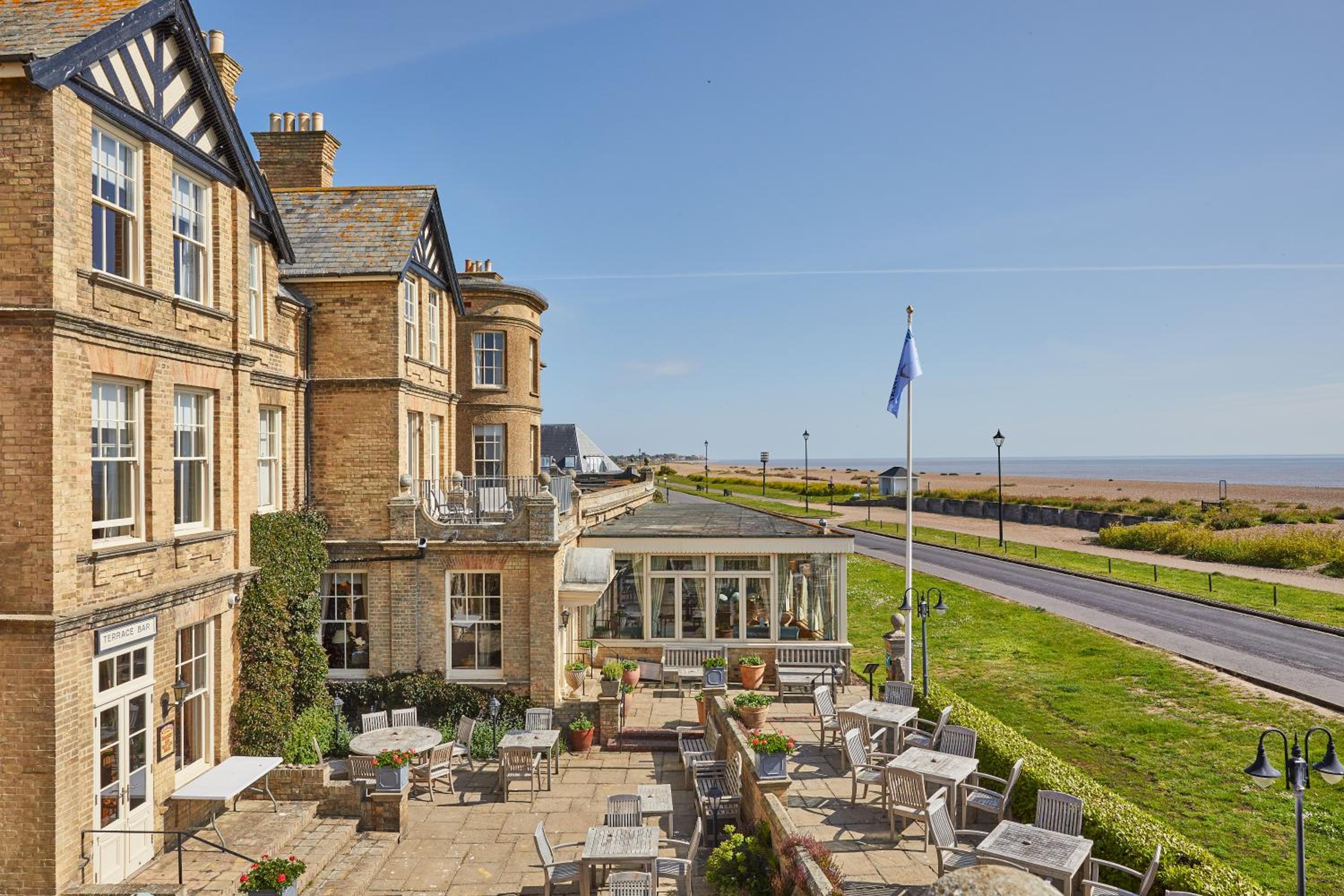 On our list£££Treat yourself
The Wentworth
Aldeburgh, Suffolk- Big lounges, sea views and a log fire on the seafront
- A gentle base for walking the shingle and the town
See the stayPrices vary by date -
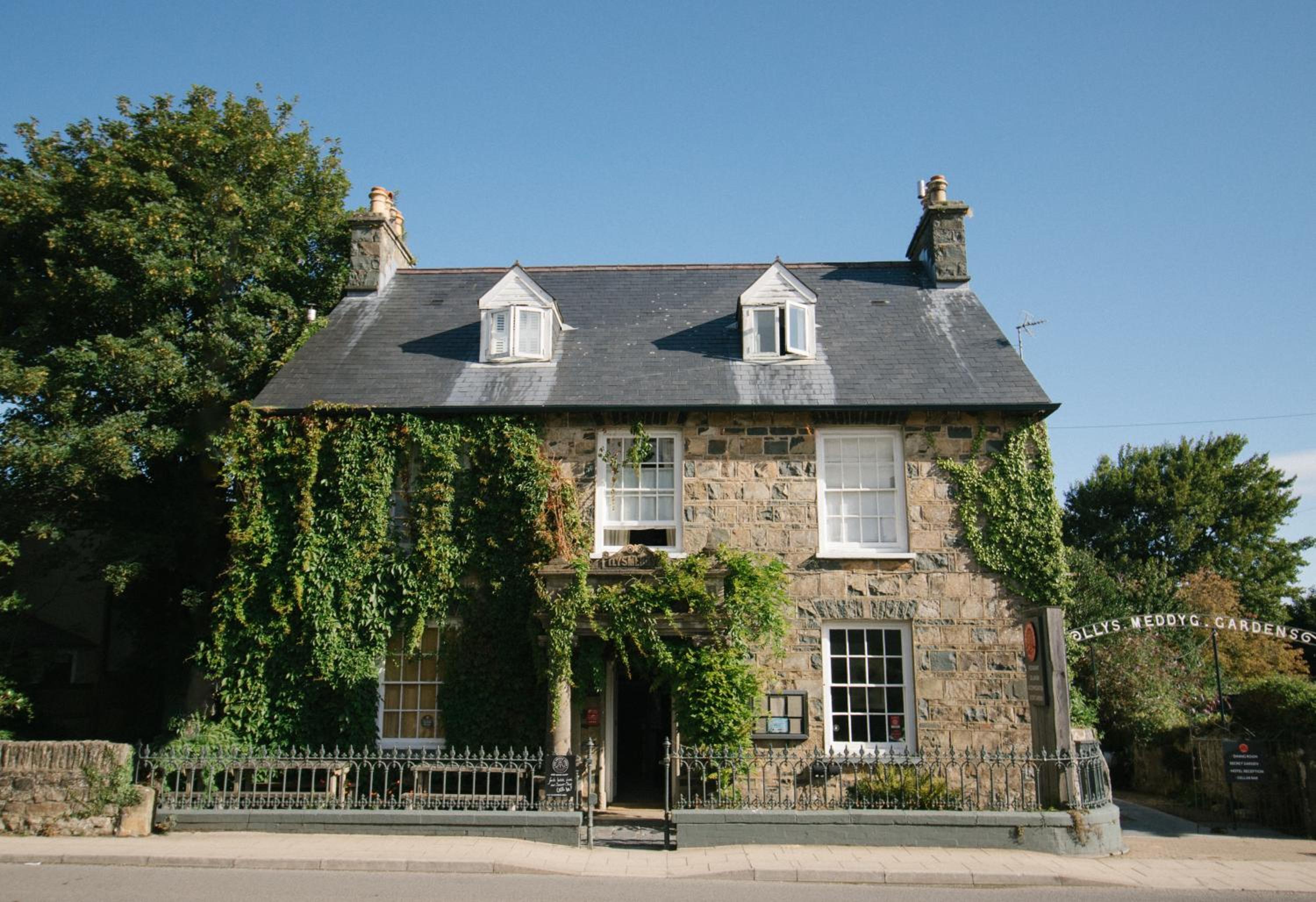 On our list£££Mid-range
Llys Meddyg
Newport, Pembrokeshire- A food-led townhouse with a cellar bar that suits eating alone
- Carningli behind and the estuary in front
See the stayPrices vary by date -
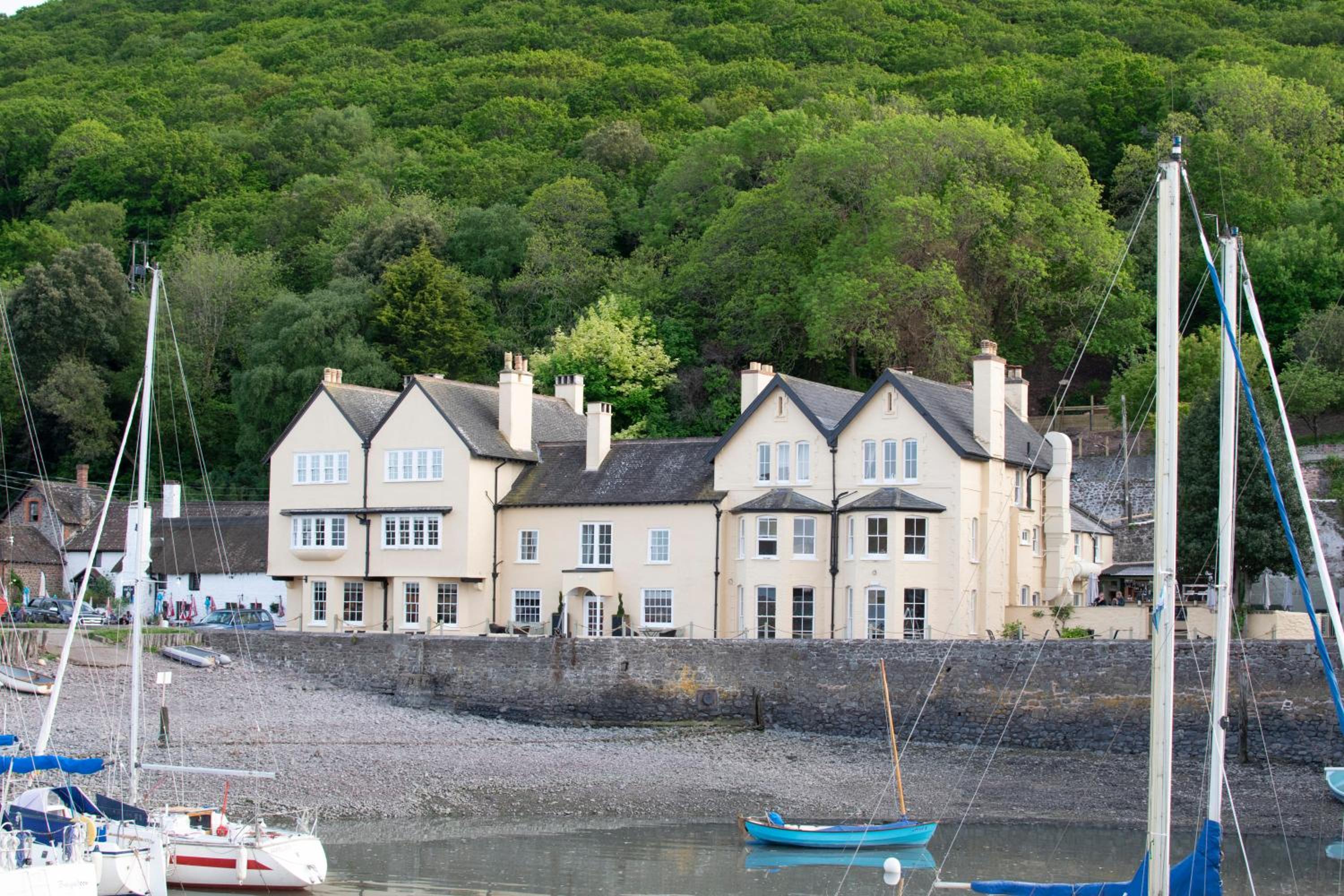 On our list£££Mid-range
The Porlock Weir Hotel
Porlock Weir, Somerset- Adults only, with the coast path starting at the door
- Sea views and a guest pantry open around the clock
Trade-off: there are stairs and no lift, and it is a long taxi ride from the nearest station.
See the stayPrices vary by date -
 On our list£££Mid-range
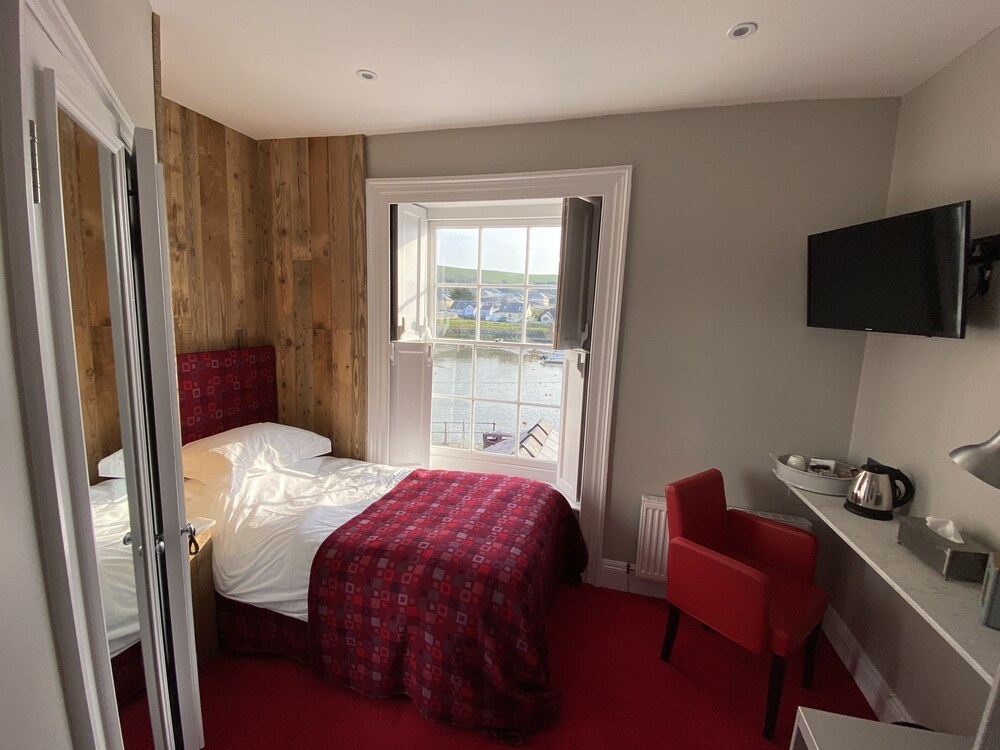
Harbourmaster
Aberaeron, Cardiganshire- On the harbour in pastel-painted Aberaeron
- Solo diners are well placed at the bar
Trade-off: there are steep stairs and no lift.
See the stayPrices vary by date -
 On our list£££Treat yourself
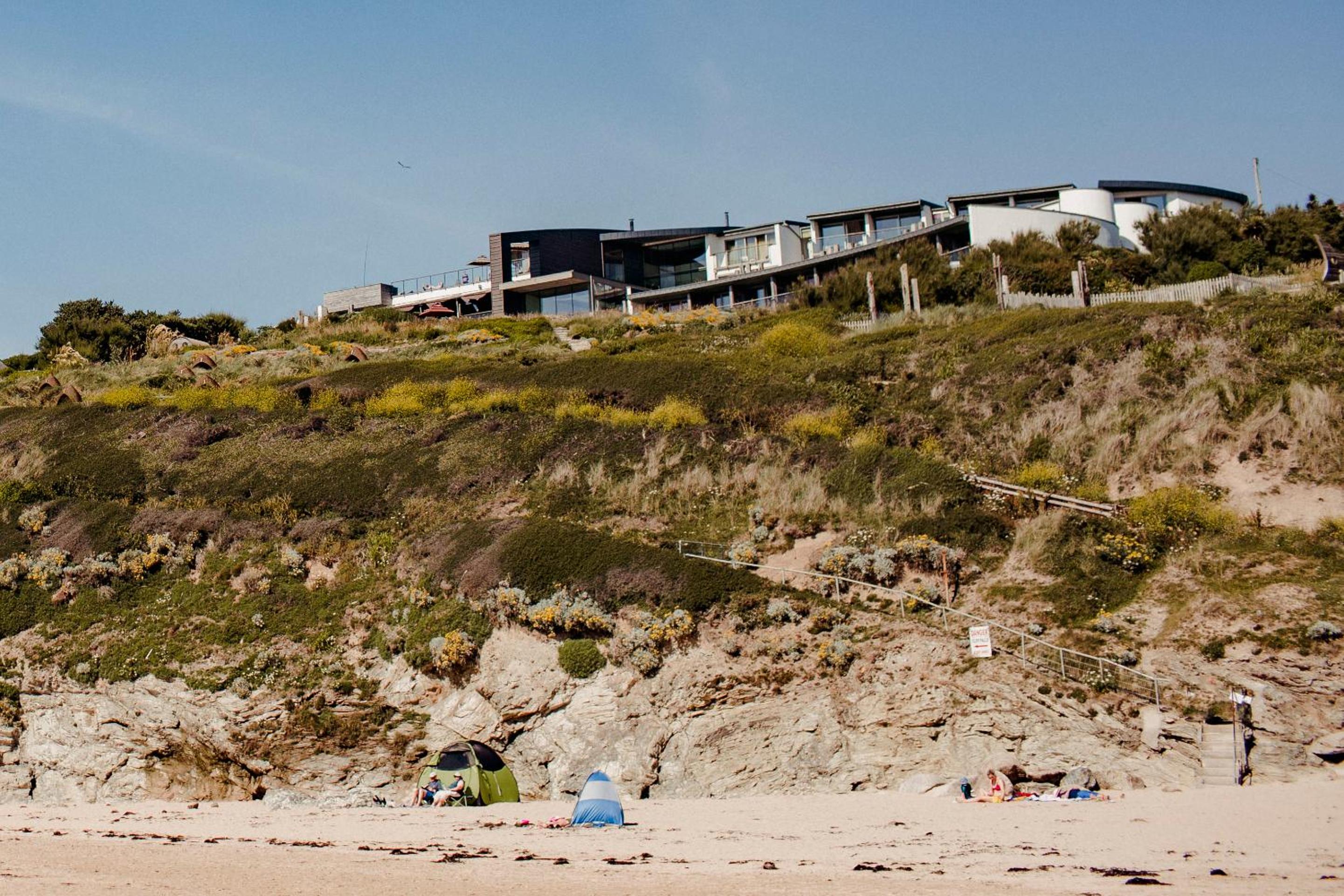
Scarlet Hotel
Mawgan Porth, Cornwall- Adults only, with hot tubs facing the Atlantic
- Indoor and outdoor pools for a wild day on the coast
See the stayPrices vary by date
Sea views usually cost more, and some coastal towns are very quiet in deep winter. If you want life around you, pick a bigger town; if you want peace, a small harbour is ideal.
How we chose these
Every stay in this guide comes from our list, and a person checks each one before it is marked Reviewed. For seaside breaks we also check that the stay is open in winter, and that the town has places to eat and things to do out of season.
Each stay in our guides carries one of three badges, so you can see how far our checks have got:
- Hand-Picked: A stay we have personally vetted, or spoken to directly.
- Reviewed: A stay a person on our team has checked against all four criteria and approved.
- On our list: A stay we have researched and scored, still waiting to be checked by a person.
Not for you if…
You want a full diary and a busy street after dark. A city break might suit you better.
Questions people ask
Is Cornwall worth visiting in winter?
Many people think it is at its best. Beaches are empty, prices are often lower and towns like St Ives, Falmouth and Penzance stay open all year. Some attractions close, so check what is open before you go.
Where can I go storm watching?
Exposed spots like Porthleven and Sennen Cove in Cornwall and Porthcawl in south Wales are known for big seas. Watch from well back, or from indoors, and stay off sea walls and harbour edges.
Which seaside towns are good in winter?
Towns with a year-round population tend to stay lively, such as St Ives, Falmouth, Whitby, Scarborough, Tenby and Brighton. Smaller villages can be very quiet, which some people love.
Can I get to the seaside by train?
Often, yes. St Ives, Whitby, Tenby, Falmouth and Scarborough all have stations, and many stays are a short walk from them.
Is it cheaper to go to the coast in winter?
Usually. Prices tend to drop after October half term and stay lower until Easter, apart from Christmas and New Year.
What should I pack for a winter seaside break?
A warm waterproof, a hat and gloves, walking boots and something to read by the window.


