
Why activity breaks work on your own
Doing something new is often easier on your own. There is nobody to persuade, nobody waiting for you to finish, and you can throw yourself into it completely. Many activities, from guided stargazing to pottery classes, are made up of people who came alone, so you will rarely be the only one.
An activity also gives the trip a rhythm. If you like a full day, it is something to plan around. If you like time to yourself, it is a couple of hours of focus and then the rest of the day is yours. Winter brings its own options too: the long nights are perfect for stars, cold water is at its most invigorating, and cosy workshops and food festivals fill the darker months.
There is nobody to persuade, and you can throw yourself into it completely.
From this guide
Things to consider
Before you book, it helps to know what kind of activity you are after and how much of the trip you want it to take up. These are the choices that make the biggest difference to an activity break alone.
Budget
With an activity break, the cost comes in two parts: the activity and the stay. A guided stargazing session or a cold water swim with a local group can cost very little, while a weekend course with materials can cost as much as the room. Think about where you would rather spend more. Is the activity the main event, with the stay just a base? Or do you want somewhere lovely to come back to? Our three bands are based on the cost of a room for one night, not including the activity.
Choosing an activity
The best activity break is the one you are genuinely curious about. Think about whether you want to learn a skill, see something remarkable, or simply try something you have never done. How physical do you want it to be? Would you like an expert to guide you, or a chance to explore at your own pace?
- If you wantto see something remarkableYou may preferStargazing in a dark sky area, or winter wildlife such as starling murmurations or seal pups.
- If you wantto learn a skillYou may preferA short course in pottery, cooking, crafts or photography.
- If you wanta physical challengeYou may preferCold water swimming, coasteering with a guide, or a long winter walk.
- If you wantto eat and drink wellYou may preferA food town, a cookery class or a winter food festival.
Stargazing and dark skies
Winter is the best time to look at the stars in England and Wales. The nights are long, it gets dark early, and clear, cold nights can be spectacular. Several areas are recognised as International Dark Sky Reserves, including Exmoor, the North York Moors, the Yorkshire Dales, Cranborne Chase and the South Downs in England, and the Brecon Beacons (Bannau Brycheiniog) and Snowdonia in Wales. Northumberland and Kielder are an International Dark Sky Park, with an observatory at Kielder. The North York Moors and Yorkshire Dales also hold a Dark Skies Festival each February half term.

- If you wantan expert to guide youYou may preferAn organised stargazing evening or an observatory visit.
- If you wantto look on your ownYou may preferA dark sky area with a stay that has a garden or terrace away from lights.
- If you wanta festivalYou may preferThe Dark Skies Festival in the North York Moors and Yorkshire Dales, held in February half term.
Give your eyes about 20 minutes to adjust to the dark, and use a red torch rather than your phone screen.
Cold water swimming
A winter swim is one of the most talked-about ways to start a day. The sea around England and Wales is usually somewhere between 6 and 10 degrees in winter, so it is cold, and the RNLI’s advice is to get in slowly, wait for your breathing to settle, and never swim alone. That makes it a natural way to meet people on a solo trip: many coastal towns and lakes have friendly swim groups, and some places run guided winter dips with a sauna afterwards.

- If you wantcompany in the waterYou may preferA town with a regular swim group, or a guided dip you can book.
- If you wantto warm up properlyYou may preferA stay near a sauna, or a hotel with a hot tub or warm pool.
- If you wantto try it gentlyYou may preferA short dip in the shallows with a guide, no swimming needed.
Courses and workshops
A short course is one of the easiest ways to spend a solo break with other people without having to make conversation from scratch. Pottery, cookery, bread making, woodwork, photography and printmaking courses run all over the country, often over a day or a weekend. Many are in rural studios, so it helps to stay nearby. Think about whether you want a single class or a full weekend, and whether you would rather stay on site or close by.
- If you wanta tasterYou may preferA half-day or one-day class, with the rest of the trip free.
- If you wantto go deeperYou may preferA weekend course, sometimes with lunch and dinner included.
- If you wanteverything in one placeYou may preferA stay that runs its own workshops, so you do not need to travel.
Food towns and winter festivals
Some of the best activity breaks are built around food. Market towns with good delis, bakeries and pubs make it easy to graze your way through a weekend, and some places run cookery schools, foraging walks and tasting evenings through winter. Festivals fill the calendar too, from Christmas fairs to wassails in January and light festivals in February. Check dates well ahead, as events can sell out and accommodation nearby can fill quickly.

- If you wantto taste your way aroundYou may preferA food town with markets, delis and good pubs.
- If you wantto cookYou may preferA cookery school day, or a stay with a hands-on class.
- If you wanta bit of traditionYou may preferA wassail, a winter fair or a light festival, booked well ahead.
What to look for
When the activity is the main event, the stay needs to support it. A few details make that much easier.
- Close to the activityShort winter days mean less time travelling.
- Flexible breakfast timesUseful for early starts or late nights.
- Somewhere to dry kitA boot room or radiator after a swim or a muddy walk.
- Dark skies on the doorstepFor stargazing, a garden or terrace away from lights.
- Dinner on siteSo you do not need to head out again after a long day.
- Hosts who know the areaThey can often recommend local guides and groups.
Tips for an activity break alone
- Book the activity firstCourses, guided sessions and events can be limited, so secure your place before the room.
- Check the weather planAsk what happens if it rains, is cloudy or is too stormy to swim.
- Arrive the night beforeAn early start is easier if you are already there.
- Say yes to the pub afterMany groups go for a drink or a coffee afterwards. Join if you like, or head off if not.
- Pack for the coldA warm hat, gloves and a flask make outdoor activities more comfortable.
- Bring a red torchUseful for stargazing and walking back in the dark.
Our recommended stays for activity breaks
These are the stays we would book for a winter activity break alone, close to dark skies, swim spots, courses and food towns. Each one comes from our list of independent stays, with notes on why it suits a solo stay and what is nearby.
Some links earn us a small commission. It never changes which stays we pick or what you pay.
-
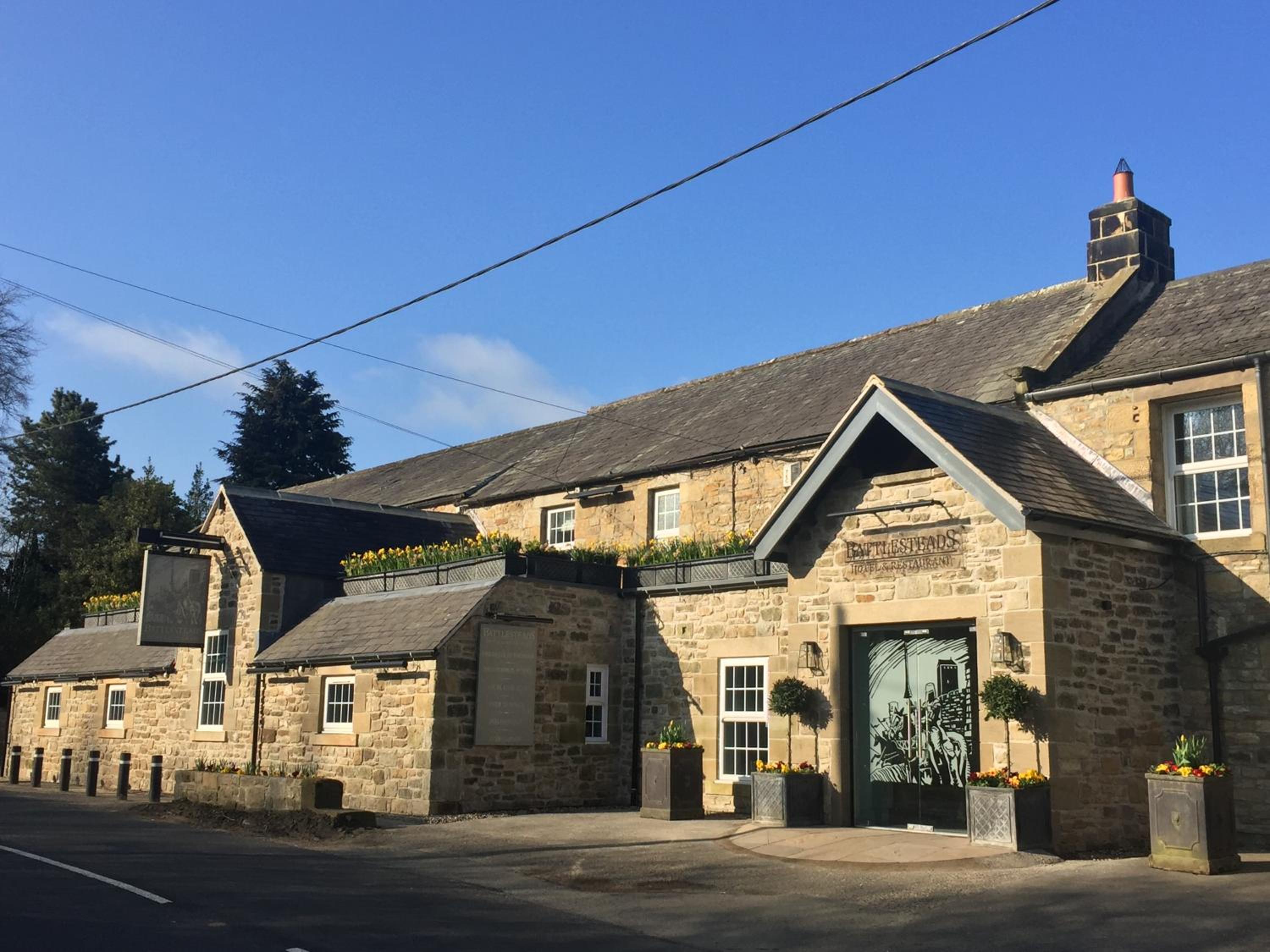 On our list£££Mid-range
Battlesteads Hotel & Restaurant
Wark, Northumberland- Its own observatory for Northumberland’s dark skies
- Hadrian’s Wall close by, and a bar with a log fire
See the stayPrices vary by date -
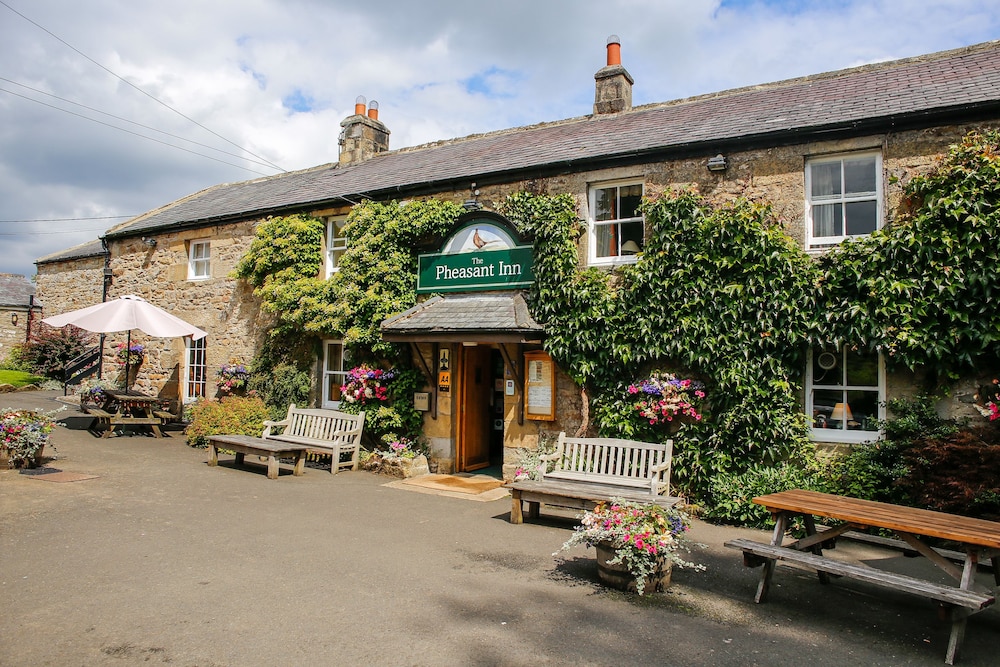 On our list£££Mid-range
The Pheasant Inn
Stannersburn, Northumberland- On the edge of Kielder, for the lake, the forest and dark skies
- A cosy family inn with a log fire
Trade-off: the pub is closed on Mondays and Tuesdays and over Christmas.
See the stayPrices vary by date -
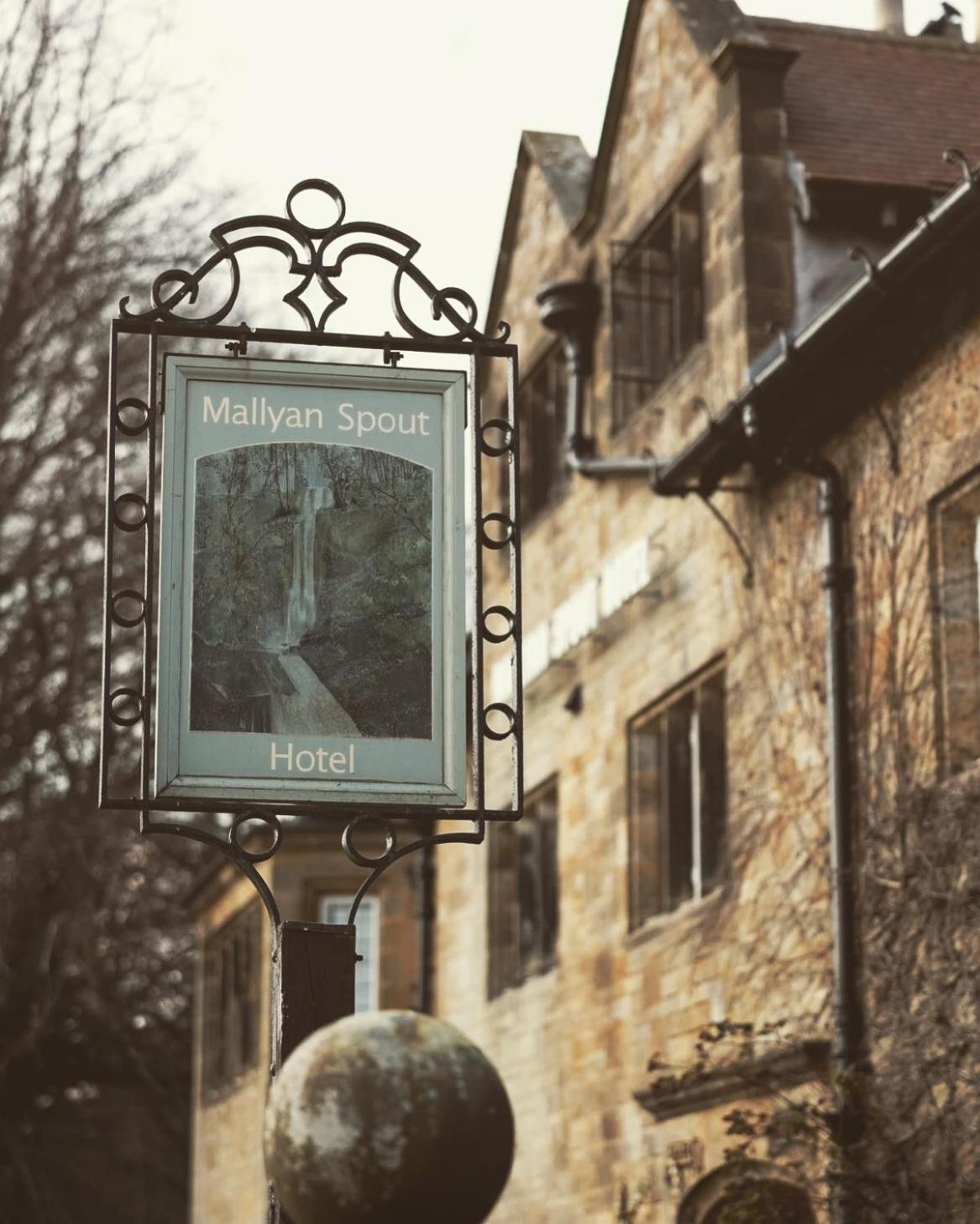 On our list£££Mid-range
Mallyan Spout Hotel
Goathland, North Yorkshire- Dedicated single rooms on the North York Moors
- A waterfall walk from the door and the steam railway nearby
See the stayPrices vary by date -
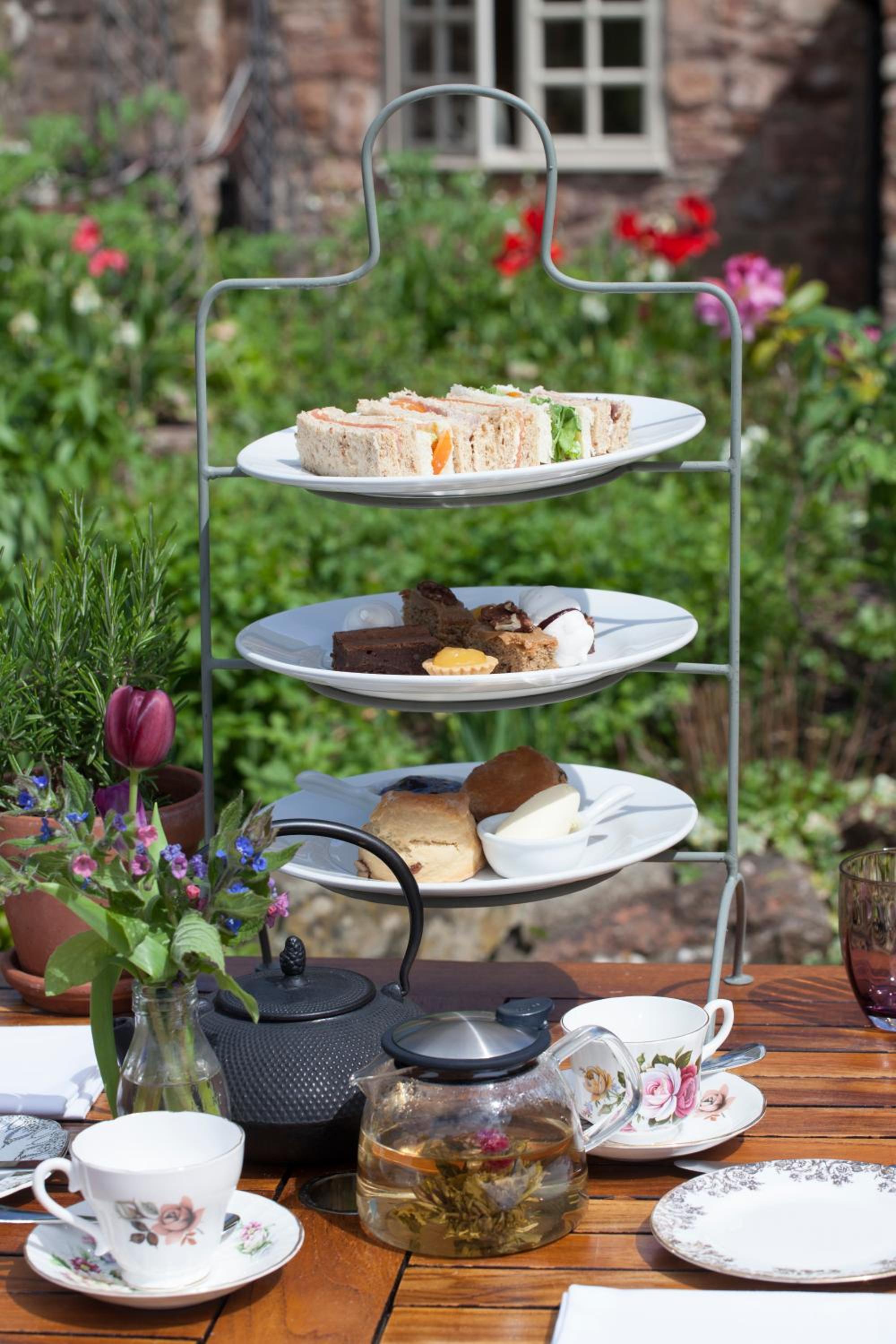 On our list£££Mid-range
Tudor Farmhouse
Clearwell, Forest of Dean, Gloucestershire- The hotel arranges foraging, stargazing, e-bikes and kayaks
- Good food and log fires to come back to
See the stayPrices vary by date
Activities in winter depend on the weather, and clear skies or calm seas cannot be guaranteed. A stay you enjoy for its own sake means the trip is still good if plans change.
How we chose these
Every stay in this guide comes from our list, and a person checks each one before it is marked Reviewed. For activity breaks we also check how close the stay is to things to do, and whether the hosts can point you to local guides and groups.
Each stay in our guides carries one of three badges, so you can see how far our checks have got:
- Hand-Picked: A stay we have personally vetted, or spoken to directly.
- Reviewed: A stay a person on our team has checked against all four criteria and approved.
- On our list: A stay we have researched and scored, still waiting to be checked by a person.
Not for you if…
You have a specific goal in mind, such as a summit or a skill, and want to work towards it. A hiking and skills break might suit you better.
Questions people ask
What are the best activity breaks for one in winter?
Stargazing, cold water swimming with a group, short craft or cookery courses and food festivals all suit going alone, and winter is a good season for each.
Where can I go stargazing in England and Wales?
International Dark Sky Reserves include Exmoor, the North York Moors, the Yorkshire Dales, Cranborne Chase and the South Downs in England, and the Brecon Beacons and Snowdonia in Wales. Northumberland and Kielder are an International Dark Sky Park.
Is it safe to go cold water swimming on my own?
The RNLI advises never swimming alone. Joining a local swim group or a guided session is a good way to try it, and a nice way to meet people.
When is the Dark Skies Festival?
The North York Moors and Yorkshire Dales hold it each February half term. Check the festival website for this year’s dates and events.
Do I need any experience?
Not for most activities. Stargazing evenings, taster classes and guided dips are aimed at beginners.
What if the weather is bad?
Many activities run in most weather, and organisers usually have a back-up plan. For stargazing, an observatory or planetarium show can fill a cloudy night.


