
Why travel alone in England and Wales
People travel alone for all sorts of reasons: for peace, for freedom, to celebrate, or because the dates worked and the trip was too good to miss. Whatever the reason, a trip in England and Wales has some real advantages when you are on your own.

28% of overnight trips in 2024 were made by solo travellers.
VisitBritain, GB Tourism Survey 2024, highlights for England
Things to consider
Before you choose a place to stay, it helps to think through a few practical things. These are the choices that make the biggest difference to a trip alone in England and Wales, with options for each depending on what you are after.
What you want from the trip
Start with the feeling rather than the map. Do you want a few days of quiet, a city with something on every evening, a walk with a view at the end of it, or a celebration? Knowing the answer narrows the choice quickly, because the right base for a slow weekend by the sea is quite different from the right base for a walking trip. It also tells you what to look for in a stay, from a lounge to sit in to a pub downstairs.
| If you want | You may prefer | Read next |
|---|---|---|
| Peace and slow days | A small coastal town or a market town on a railway line, with a café, a walk and a quiet evening | Solo weekend breaks |
| Something on every evening | A city with theatres, galleries and plenty of places to eat within a short walk | Best places for a solo trip |
| A walk with a view | A national park village with a station, a pub and paths from the door | Best places for a solo trip |
| An easy first trip | A staffed hotel close to a station, with food on site | Planning your first solo trip |
| Good food | A pub with rooms or a hotel dining room, so dinner is downstairs | Eating out alone |
| To mark an occasion | A treat-yourself hotel with a spa or a good restaurant | Solo birthday trips |
Getting there and around
Travelling alone without a car works well in much of England and Wales, and it saves you parking and the drive home at the end. Main lines link most cities and many coastal and national park towns, and buses fill many of the gaps, although rural services can finish early in the evening. Before you book a stay, check how you will get from the station to the door, and what time the last train or bus leaves if you plan to go out for the day.
- If you wantto arrive by trainYou may preferA stay within walking distance of the station. Our stay cards say how far.
- If you wantto keep fares downYou may preferAn Advance ticket, which is only valid on the train you book. National Rail says they can usually be bought up to 12 weeks ahead.
- If you wanta railcard for oneYou may preferThe 16-25, 26-30, Senior, Network, Veterans or Disabled Persons Railcard. Railcard.co.uk explains who each one is for.
- If you wantthe freedom of a carYou may preferA stay with parking and somewhere to eat within walking distance, so you can leave the car once you arrive.
Wales without a car. Traveline Cymru plans door-to-door journeys by bus, train and on foot, online or on 0800 464 00 00. TrawsCymru runs medium and long-distance buses across Wales, and fflecsi is an on-demand bus in some rural communities that you book in an app. Transport for Wales also offers Passenger Assistance, which you can book if you would like help at stations or on trains.


Staying connected and looking after yourself
Phone signal varies a lot between towns, valleys and coast paths, so it is worth a quick check before you go. Ofcom’s mobile coverage checker shows predicted coverage for a postcode, indoors and outdoors, by network, although Ofcom notes that no signal level guarantees coverage all of the time. Check the postcode of your stay and of any walk you have in mind, then download offline maps so you are not relying on a signal to find your way.
A few habits help any trip run smoothly. The Suzy Lamplugh Trust suggests checking the time of the last bus or train, waiting in a well-lit place near other people, and keeping your phone charged. If you are heading into the hills, the Mountain Rescue advice published by Ordnance Survey is to share your route and expected finish time with someone and stick to it. For walks in the countryside, the Countryside Code covers the basics: plan ahead, tell someone where you are going, give livestock room and take your litter home.
- If you wantto switch offYou may preferA stay with little or no signal, with your plans shared before you go and a paper map, which needs no battery.
- If you wantto stay in touchYou may preferA stay with good predicted coverage on your network, or wifi, checked before you book.
- If you wantcompany on a walkYou may preferA guided walk or a walking group for the day, with local knowledge and people to chat to.
The British Mountaineering Council says to call 999, ask for Police, then Mountain Rescue, and give your location. According to the Mountain Rescue advice published by Ordnance Survey, volunteer teams cover England and Wales 24 hours a day, free to the casualty. Our first solo trip guide covers this in more detail.
Money and the price of a room for one
Some hotels and inns price by the room rather than the person, so a double booked for one can cost the same as it would for two. Others offer a rate for one, and some have true single rooms, which can be good value if you do not need the space. Pricing varies so much from place to place that the quickest way to know is to check for yourself, which takes a minute. Our three price bands are based on the cost of a room for one night.
- Search for one guestNote the price for your dates and room type.
- Search again for two guestsSame room, same dates, same site.
- Compare the twoIf they match, the room is priced per room. If one guest is cheaper, there is a rate for one.
- Look for single roomsSome stays list true singles. Our stay cards mention them where we know.
Travel adds to the total too. If you take the train often, a railcard takes a third off many fares, and an Advance ticket on a fixed train can help on longer journeys.
Eating alone
There are plenty of ways to eat well on your own, from a counter seat with a view of the kitchen to a quiet table in a hotel dining room. Some people love lingering over dinner with a book; others prefer something quick so they can get back to the evening. Think about how you like to eat at home, and whether you want the trip to feel the same or completely different.
- If you wantto watch the kitchenYou may preferA counter or bar seat, which can be easier to book for one.
- If you wantto try a bit of everythingYou may preferSmall plates, which suit one better than sharing menus built for groups.
- If you wantdinner without going outYou may preferA pub with rooms or a hotel dining room, so dinner is downstairs.
- If you wanta quieter roomYou may preferAn early or late sitting, or room service if you would rather stay in.
Our guide to eating out alone has more ideas, plus stays where dinner is downstairs.
Type of stay
Hotels, inns, guesthouses, hostels and cottages each feel different when you are on your own. A hotel takes care of everything and often has someone on reception around the clock; a guesthouse is smaller and more personal; an inn puts dinner and a bit of life downstairs; a hostel with private rooms is good value and makes it easy to meet people. Think about how much independence you want, and how much time you would like to spend around other people.
- If you wanteverything taken care ofYou may preferA hotel with a restaurant and 24-hour reception.
- If you wantsomewhere small and personalYou may preferA guesthouse or B&B, where the hosts know the area.
- If you wantdinner downstairsYou may preferAn inn or a restaurant with rooms.
- If you wantto meet peopleYou may preferA hostel with private rooms and a shared kitchen.
- If you wantyour own front doorYou may preferA cottage or cabin, with a shop and a pub within reach.

A checklist for a trip alone
- Share your plansSend someone where you are staying, your route and when you expect to be back.
- Check the signalLook up your stay’s postcode on Ofcom’s coverage checker and download offline maps.
- Know the last train or busEspecially in rural areas, where services can finish early in the evening.
- Book the first nightArriving with a bed sorted makes the first evening easy, even if the rest is open.
- Pack a chargerAnd a power bank if you will be out all day using maps.
- Cannot make voice calls?If you are Deaf, hard of hearing or speech-impaired, register for emergencySMS before you go by texting “register” to 999.
Our recommended accommodation for every kind of trip
First, six stays we would book for a trip alone, each within walking distance of a station or tram stop. After them, our guides go into each kind of trip in more detail, each with its own picks.
Six stays you can reach by train
These are in no particular order, from our list of independent stays across England and Wales. Each card notes anything worth knowing before you book.
Some links earn us a small commission. It never changes which stays we pick or what you pay.
-
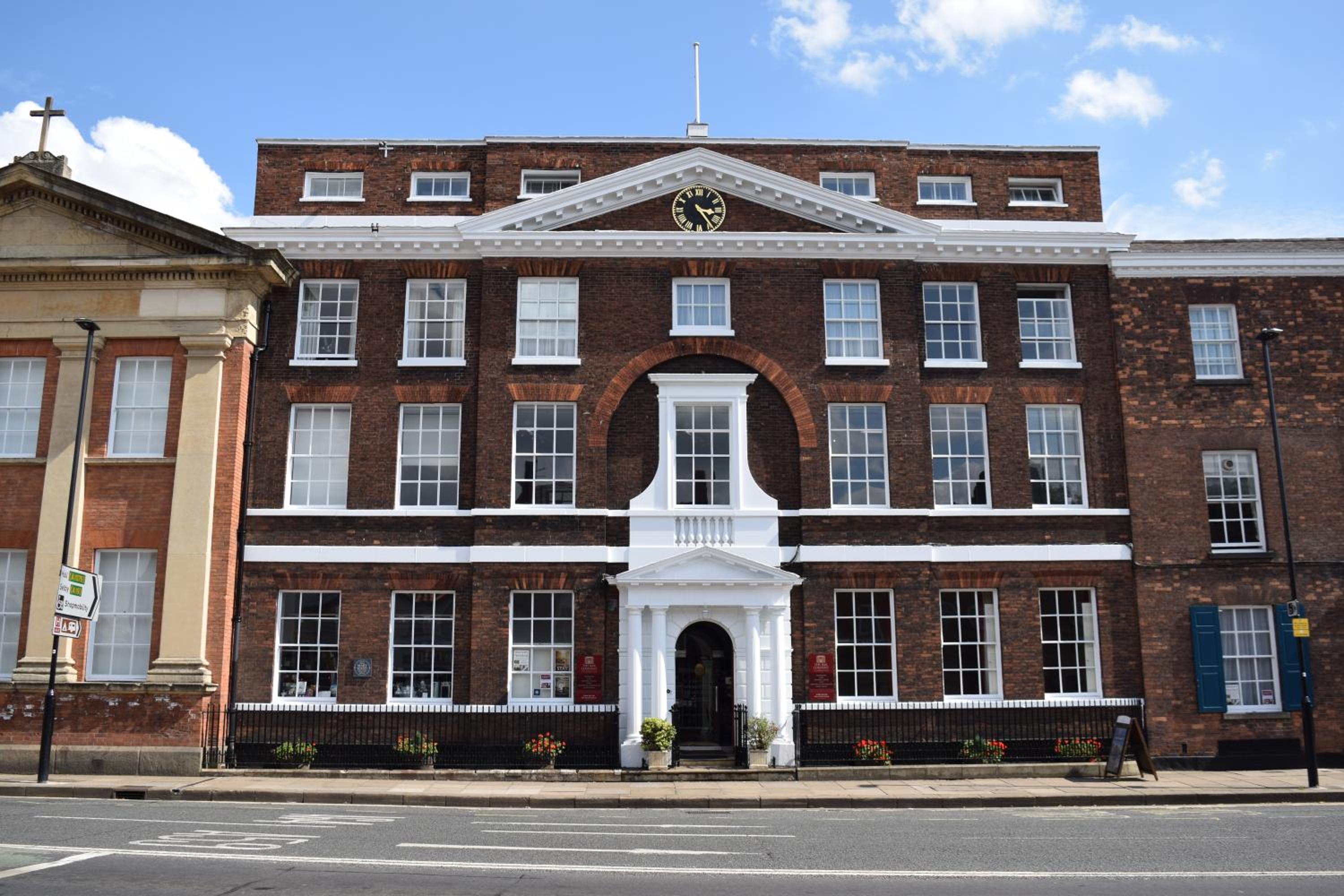 On our list£££Budget
The Bar Convent
York, North Yorkshire- True single rooms in a working Georgian convent, with a garden, café and guest kitchen
- A few minutes’ walk from York station
Trade-off: the superior singles are up a narrow staircase with no lift, and there is no parking.
See the stayPrices vary by date -
 On our list£££Mid-range
The Pilgrm
London, Greater London- Nook rooms with one single bed, plus a restaurant, bar and big lounge
- About five minutes’ walk from London Paddington
Trade-off: rooms have opening windows but no air conditioning.
See the stayPrices vary by date -
 On our list£££Mid-range
The Erskine Arms
Conwy, Caernarfonshire- A Georgian coaching inn with a restaurant and bar, close to the castle
- Near Conwy station, with Llandudno a short hop by train
Trade-off: rooms above the bar may hear pub noise.
See the stayPrices vary by date -
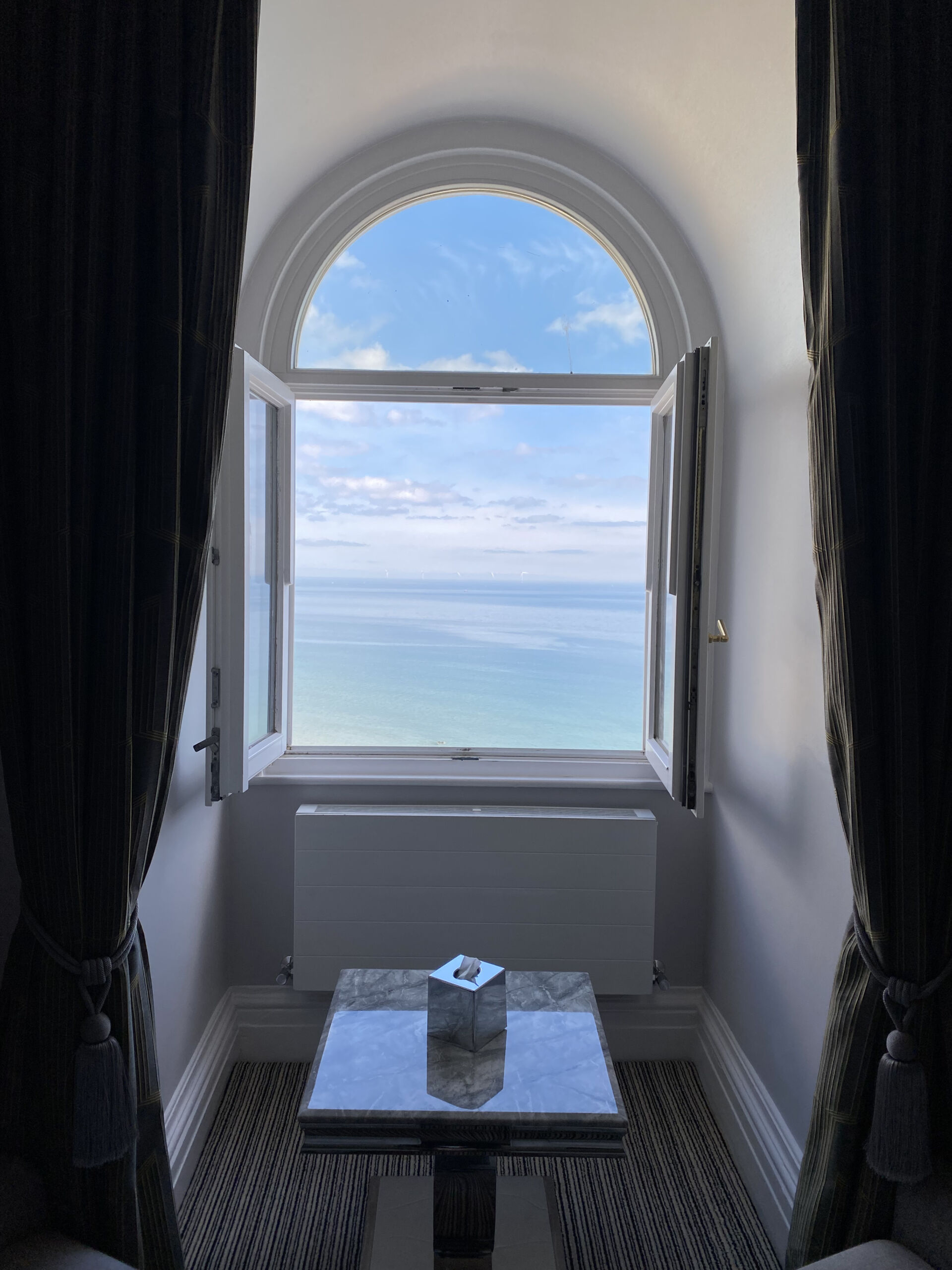 On our list£££Mid-range
The Grand Hotel Tynemouth
Tynemouth, Tyne and Wear- A Victorian seafront hotel with a restaurant, bar, lounge and room service
- On the Metro, about 25 minutes from Newcastle
Trade-off: some rear rooms are reported to run warm, so ask for a sea view.
See the stayPrices vary by date -
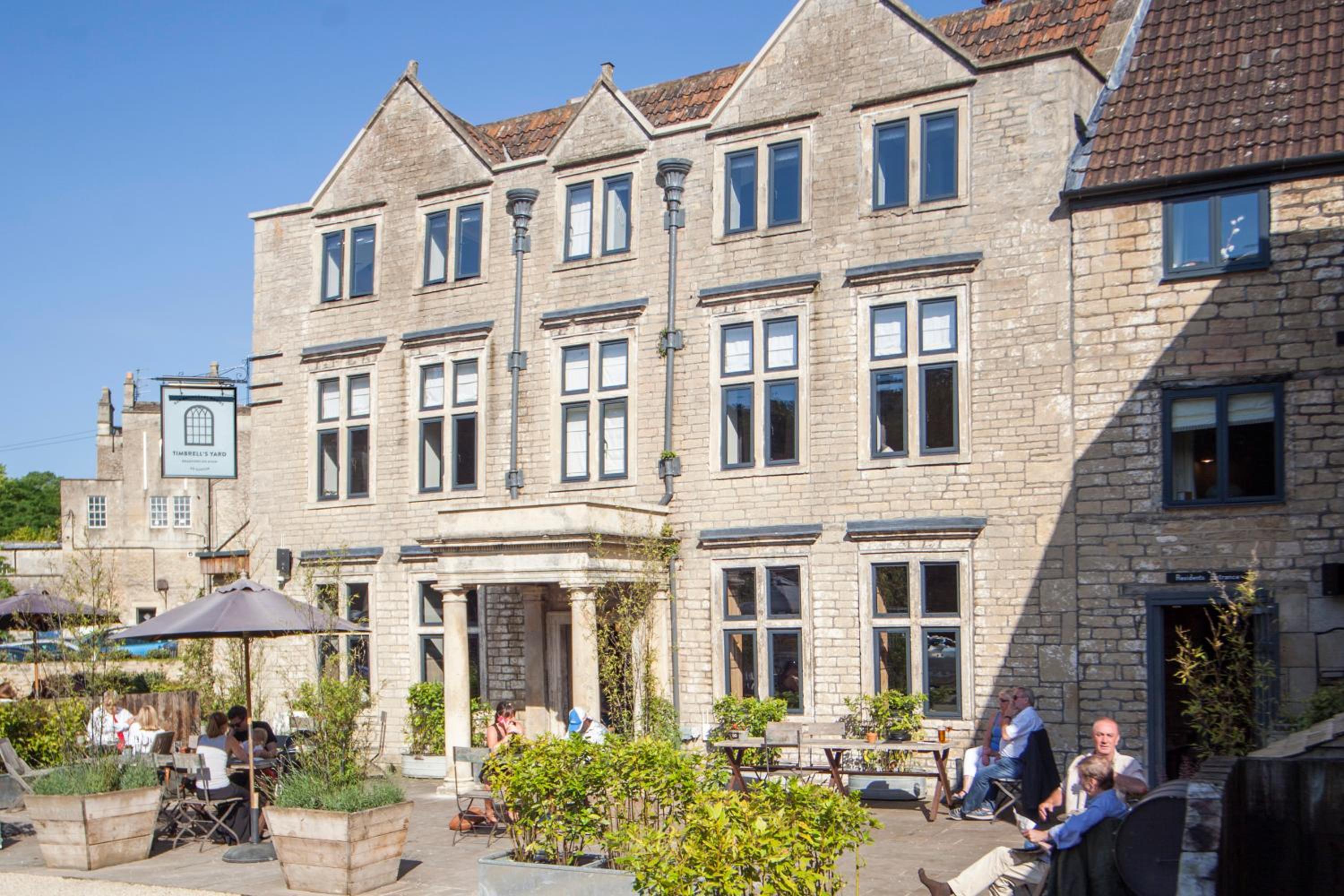 On our list£££Mid-range
Timbrell's Yard
Bradford on Avon, Wiltshire- A converted riverside mill with a restaurant and bar
- Close to the station, with Bath along the towpath
See the stayPrices vary by date -
 On our list£££Treat yourself
The Angel Hotel
Abergavenny, Monmouthshire- A coaching inn with a restaurant, bar and room service in a town known for food
- About ten minutes on foot from Abergavenny station
Trade-off: it hosts events, so some weekends will be busier.
See the stayPrices vary by date
Being close to a station is handy, but town-centre stays can be livelier at night. If you want quiet, ask for a room away from the street.
Weekend breaks: a short trip, booked well

A weekend away is one of the easiest trips to fit around everything else. Our guide helps you choose the weekend by mood, whether that is slow, busy or outdoors, then covers getting there by train, arriving after dark and what to ask a hotel before you book. It suits anyone who wants a short break without much planning. One thing to check: how far your stay is from the station, and when the last train leaves on your way home.
Read the full guideSolo weekend breaksBest places: where to go, by feeling

Rather than an A to Z of destinations, this guide groups places by the feeling you want: peace and slow days, buzz and plenty to do, or somewhere new to explore. Each place comes with a way to get there without a car, a stay from our list and one thing to check first. It suits you if you know how you want the trip to feel, but not yet where. One thing to check: the signal at your stay.
Read the full guideBest places for a solo tripYour first solo trip: habits that help

If this is your first trip alone, a few habits make everything run smoothly: sharing your plans, checking the signal, knowing the last train, and knowing what to do if you need help on a walk or at the coast. Our guide covers each one, with a printable checklist and a note for sharing your plans. It suits anyone planning a first trip, or anyone who likes to be prepared. One thing to check: the advice from the organisations we link to, which they update from time to time.
Read the full guidePlanning your first solo tripEating out alone: a table for one, your way

Eating alone can mean a counter seat with a view of the kitchen, a few small plates, or a long dinner with a book. Our guide offers options by mood, what to ask when you book, and stays where dinner is downstairs. It suits food lovers, and anyone who wants evenings to be easy. One thing to check: whether the restaurant takes bookings for one online, or prefers a call.
Read the full guideEating out aloneSolo birthday trips: marking it your way

A birthday away on your own can be as quiet or as celebratory as you like: a spa day, a walk to a view, a show in a city or something you have never tried. Our guide groups ideas by mood and suggests stays that make an occasion of it. It suits anyone who would like to spend the day doing exactly what they want. One thing to check: whether your birthday falls on a weekend this year, when popular stays and restaurants may book up sooner.
Read the full guideSolo birthday tripsGoing in winter
Our winter guide covers cosy breaks from November to February, with its own stays, including trips away over Christmas and New Year.

Winter breaks
Cabins, spa breaks, seaside towns and city breaks, with stays chosen for the winter months.
Cosy solo winter breaks in England and Wales
Christmas and New Year
Hotels with festive packages, for a trip away over the holidays.
Christmas breaks for oneHow we chose these
Every stay in this guide comes from our list of independent stays in England and Wales, and a person checks each one before it is marked Reviewed. For this page we also looked for stays within walking distance of a station or tram stop, with food on site or close by.
Each stay in our guides carries one of three badges, so you can see how far our checks have got:
- Hand-Picked: A stay we have personally vetted, or spoken to directly.
- Reviewed: A stay a person on our team has checked against all four criteria and approved.
- On our list: A stay we have researched and scored, still waiting to be checked by a person.
Questions people ask
Where should I travel alone in England and Wales?
It depends on how you want the trip to feel. For peace, a small coastal or market town on a railway line works well; for something on every evening, a city such as Manchester, Liverpool or Cardiff; for a walk with a view, a national park village with a station, such as Edale or Betws-y-Coed. Our best places guide groups places by feeling, each with a way to get there without a car.
Can I use a Two Together Railcard on my own?
No. The Two Together Railcard is for two named people who travel together for the whole journey. If you travel alone, a single-person railcard may suit you better, such as the 16-25, 26-30, Senior, Network, Veterans or Disabled Persons Railcard.
Which railcard suits one traveller?
That depends on your age, where you travel and your circumstances. There are railcards for 16 to 25s, 26 to 30s and seniors, a Network Railcard for London and the South East, and railcards for veterans and disabled people. Most take a third off eligible fares. Railcard.co.uk sets out who each card is for.
Do hotels charge more for one person?
Some do and some do not. Some price by the room, so a double for one costs the same as for two, while others offer a rate for one or have single rooms. The quickest way to find out is to search the same room and dates for one guest, then for two, and compare.
Can I travel around Wales without a car?
Yes, with some planning. Traveline Cymru plans journeys by bus, train and on foot, TrawsCymru runs longer-distance buses, and fflecsi is an on-demand bus in some rural areas, booked in an app. Rural services can be infrequent, so check return times before you set off.
How common is solo travel?
Common, and growing. VisitBritain’s figures show that 28% of overnight trips in England in 2024 were made by solo travellers, up three percentage points on 2023.
Do you cover Scotland and Northern Ireland?
Our guides and stays currently cover England and Wales, so everything on this page is about trips there.
Sources and useful links
We link to the organisations that publish the advice and facts on this page. Each link was last checked on 17 October 2026. Details can change, so check the source before you travel.
- VisitBritain: GB domestic overnight tourism, latest results (Great Britain Tourism Survey 2024)
- National Rail: Advance tickets
- Railcard.co.uk: railcards and who they are for
- Two Together Railcard: validity questions
- Transport for Wales: travel essentials (Advance tickets, Delay Repay, Passenger Assistance, fflecsi)
- Traveline Cymru: journey planner for Wales
- TrawsCymru: long-distance buses in Wales
- Ofcom: mobile coverage checker
- Suzy Lamplugh Trust: transport safety
- Ordnance Survey: advice from Mountain Rescue
- British Mountaineering Council: what to do in a hill walking emergency
- GOV.UK: The Countryside Code (Natural England)
- Relay UK: contact 999 by text (emergencySMS) (for people who cannot make voice calls)