
Why a retreat works on your own
Retreats are one of the few kinds of trip designed around people arriving on their own. Most guests come alone, meals are shared and the timetable gives everyone something in common to talk about, so company comes naturally rather than having to be found. When you want time to yourself, there is usually a quiet room, a walk or your own bedroom to go back to.
People go on retreats for all kinds of reasons. Some want to reset after a busy year, some want to learn something, and some simply like the idea of meeting new people over good food. If you want a lot of structure, there are retreats with a full programme. If you want more freedom, some guesthouses offer shared suppers and optional activities, and you can join in as much or as little as you like.
Company comes naturally rather than having to be found.
From this guide
Things to consider
Retreats vary hugely, from a weekend of yoga to a silent week in the hills. These are the choices that make the biggest difference to a retreat alone.
Budget
Retreat prices usually include more than a hotel room: meals, sessions and sometimes activities or treatments. That makes them hard to compare at a glance. Look at what is included, and whether the price is per person or per room. A shared room can bring the cost down a lot, while a private room with its own bathroom costs more. Our three bands are based on the cost of one night, for comparison with other stays.
Many retreats are priced per person, which suits solo travellers well. Check whether a private room costs extra.
Type of retreat
The focus of a retreat shapes everything about it. Yoga and wellbeing retreats usually mix classes with rest and healthy food. Writing and creative retreats give you time and space to work, often with workshops. Walking retreats combine days on the hills with shared evenings. Silent retreats ask guests not to talk for some or all of the time, which some people find deeply restful. Think about what you want to come home with.

- If you wantto move and restYou may preferA yoga or wellbeing retreat, with classes and quiet time.
- If you wantto make somethingYou may preferA writing, art or craft retreat, with time to work and people to share it with.
- If you wantto be outdoorsYou may preferA walking retreat, with a group by day and a shared table by night.
- If you wantdeep quietYou may preferA silent or meditation retreat, where talking is optional or paused.
How structured
Some retreats plan every hour, from morning practice to evening talks. Others offer one or two sessions a day and leave the rest free. Neither is better; it depends on how you like to spend a trip. A full timetable means you never have to decide what to do, while a looser one gives you time to walk, read or sleep. Think about how you feel about schedules, and how much time alone you want.
- If you wanta full programmeYou may preferA retreat with sessions morning, afternoon and evening.
- If you wanta loose shapeYou may preferOne or two optional sessions a day, with free time around them.
- If you wantcompany without a timetableYou may preferA guesthouse with communal suppers and no set activities.
Sharing and privacy
Retreats are sociable by design, but you still get to choose how much you share. Rooms can be private or shared, bathrooms en suite or down the corridor, and meals usually at one long table. Some people love the dormitory feel; others want their own room and door to close. Think about how much time with others feels right, and where you will go when you want a break.
- If you wantlots of companyYou may preferA shared room and every meal at the big table.
- If you wantcompany with spaceYou may preferA private room, with shared meals and sessions.
- If you wanta gentle startYou may preferA retreat with a small group, often under twelve people.
Food at a retreat
Food is a big part of most retreats, and it varies a lot. Many serve vegetarian or plant-based meals, some avoid alcohol and caffeine, and others are known for long dinners with wine. If you have dietary needs, retreats are usually good at catering for them, as long as you tell them in advance. Think about whether you want food to be part of the treat, or part of the reset.
- If you wantfood as a treatYou may preferA retreat with a chef and long shared dinners.
- If you wanta resetYou may preferA retreat with simple, plant-based food and no alcohol.
- If you wantflexibilityYou may preferA guesthouse where supper is shared but other meals are up to you.
New Year retreats
A New Year retreat is a popular way to see in the year with other people, without a big party. Many run over three or four nights from around 29 December to 1 January, with time to reflect on the year, walk, eat well and set intentions for the next. Some mark midnight with a gathering; others are quiet. They tend to book up early, so if you like the idea, it is worth looking in the autumn.

- If you wanta gentle celebrationYou may preferA New Year retreat with a shared dinner and a gathering at midnight.
- If you wanta quiet startYou may preferA retreat that lets midnight pass without fuss, with a walk on New Year’s Day.
- If you wanta January resetYou may preferA retreat in the first weeks of January, when places are often quieter.
What to look for
These are the details that make a retreat easier to enjoy on your own. Most are on the website, or easy to ask about.
- Your own room, if you want itCheck what a private room costs.
- A clear timetableSo you know what each day will look like.
- Optional sessionsFreedom to skip one if you would rather walk or rest.
- Small group sizesEasier to get to know people.
- A quiet spaceA lounge, library or garden to retreat to.
- Dietary needs catered forTell them when you book.
Tips for a retreat alone
- Read the reviews from solo guestsThey are the best guide to how welcoming a retreat feels.
- Ask who it is forSome retreats suit beginners, others are aimed at regular practitioners.
- Pack something comfortableLoose clothes, warm layers and indoor shoes are usually best.
- Join in, then pull backGo to the first few sessions, then decide how much you want to do.
- Bring a notebookRetreats often bring up ideas worth writing down.
- Plan the journey homeA slow morning after a retreat makes the return easier.
Our recommended retreats and guesthouses
These are the retreats and guesthouses with shared tables we would book for a winter break alone. Each one comes from our list of independent stays, with notes on why it suits a solo stay and how sociable it is.
Some links earn us a small commission. It never changes which stays we pick or what you pay.
-
 On our list£££Budget
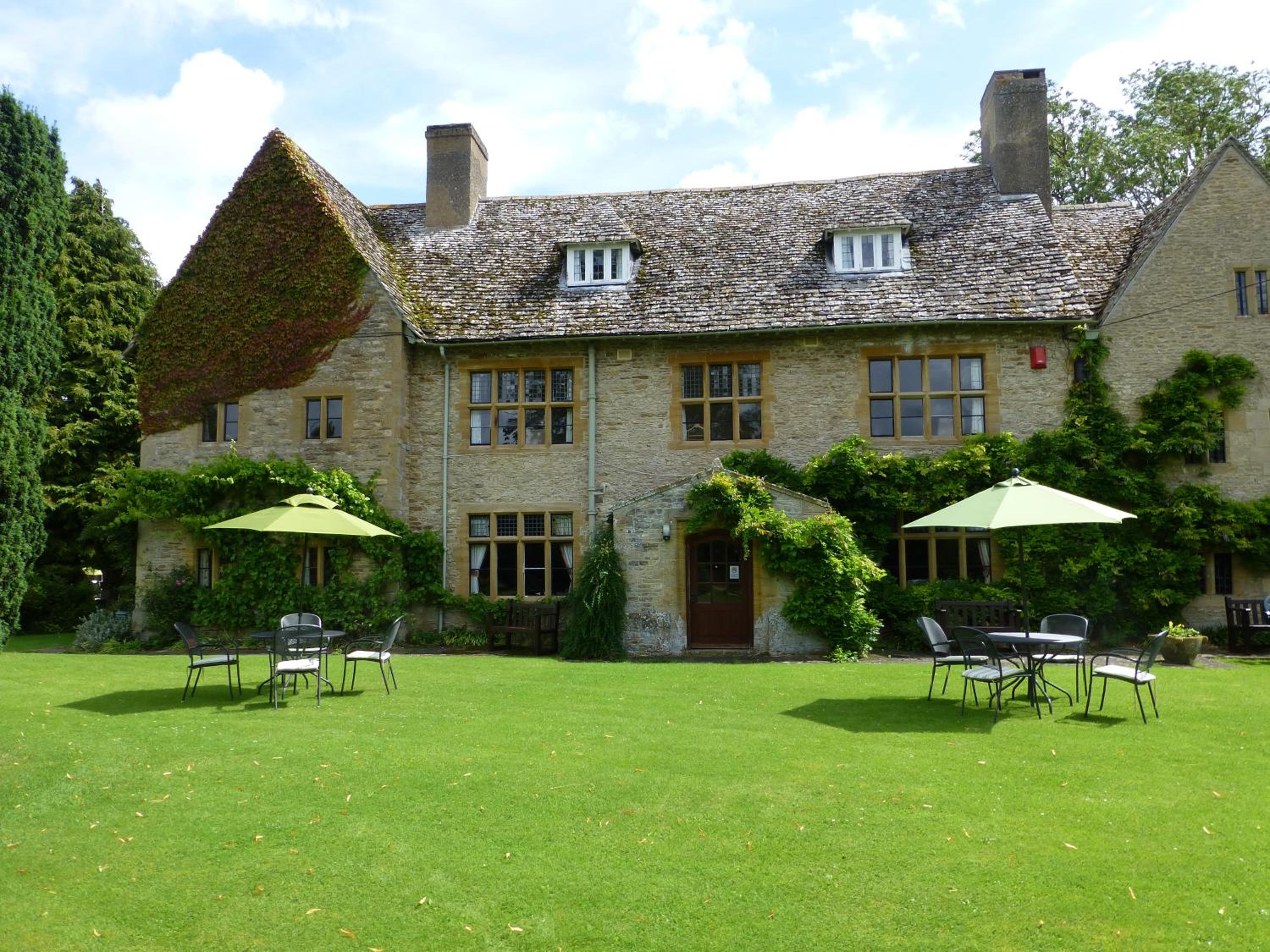
Charney Manor
Charney Bassett, Oxfordshire- A medieval manor run by Quakers, with single rooms
- Join a retreat or course, or stay for bed and breakfast
Trade-off: it is closed over Christmas, and groups are sometimes in residence.
See the stayPrices vary by date -
 On our list£££Budget
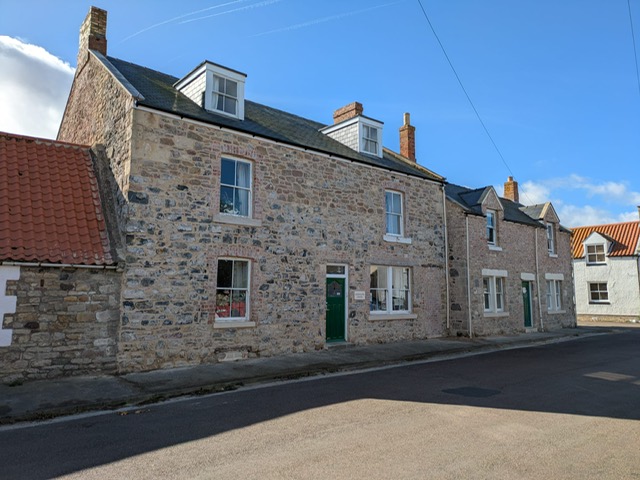
Marygate House
Holy Island, Northumberland- A small retreat house on Holy Island, with shared suppers
- Advent retreats and a New Year house party
Trade-off: bathrooms are shared, there is a two-night minimum and the tide decides when you can cross.
See the stayPrices vary by date -
 On our list£££Mid-range
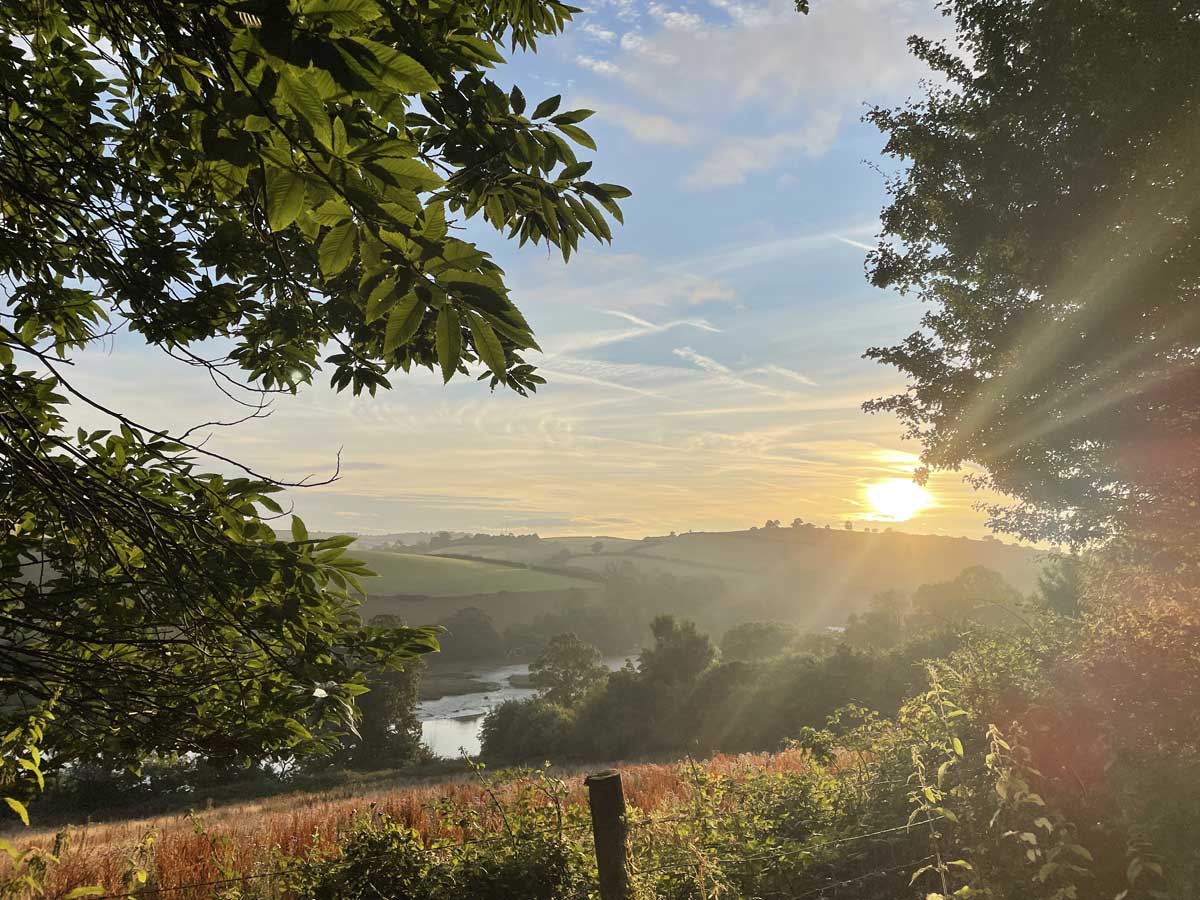
Sharpham House
Ashprington, near Totnes, Devon- Mindfulness retreats in a Georgian house above the Dart
- Single rooms, and everyone arrives on their own
Trade-off: stays follow fixed retreat dates, not flexible hotel nights.
See the stayPrices vary by date -
 On our list£££Mid-range
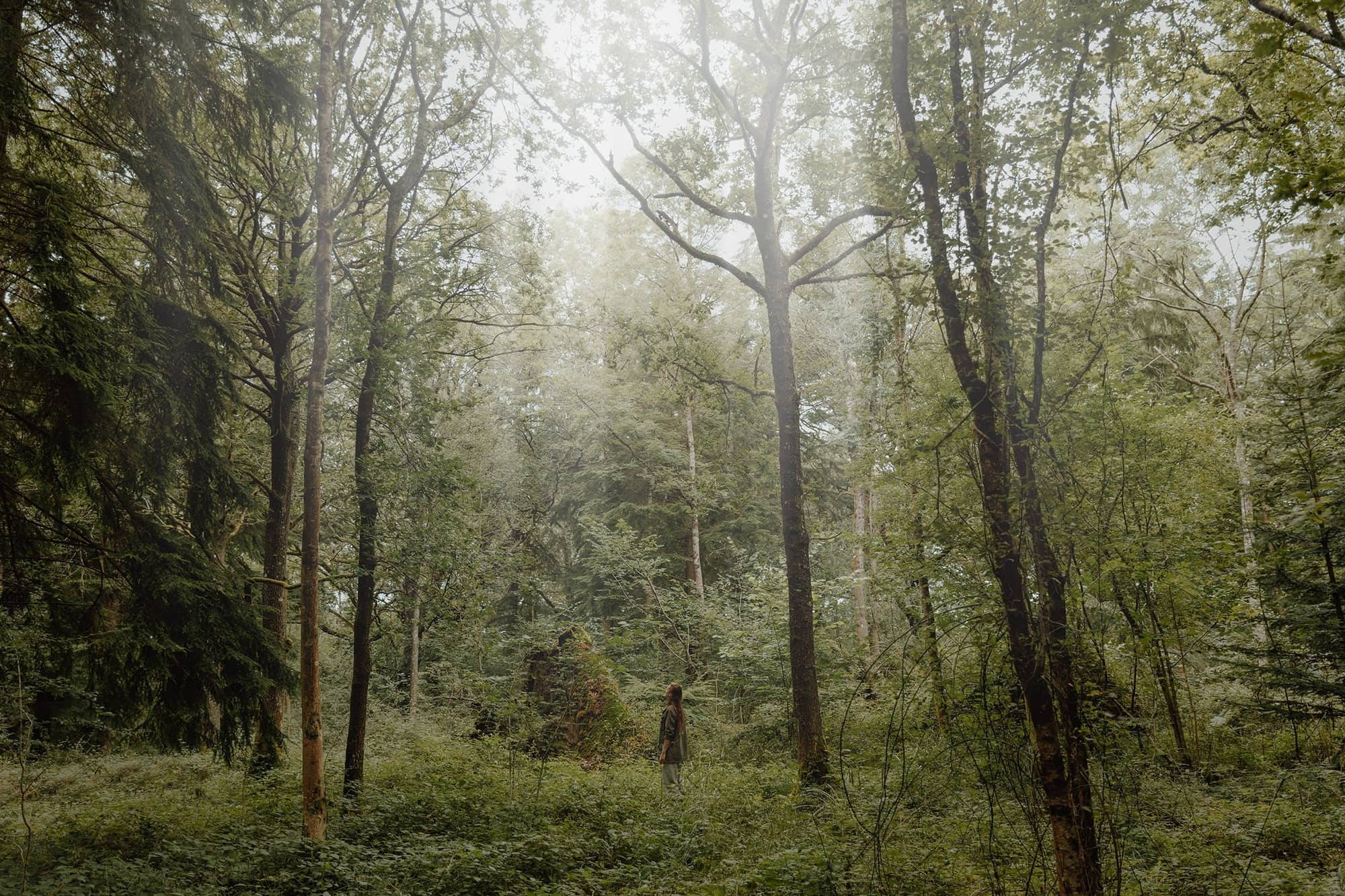
42 Acres
Witham Friary, near Frome, Somerset- Shared-table suppers and fire circles on a woodland estate
- A sauna and treatments, with company if you want it
See the stayPrices vary by date -
 On our list£££Budget
Whalley Abbey
Whalley, Lancashire- A retreat house among the ruins of a medieval abbey
- Proper single rooms, meals on site and a short walk from the station
Trade-off: rooms close over the festive period.
See the stayPrices vary by date
Retreats can feel busy if you are used to your own company, and some have shared rooms or bathrooms. Check the room type and timetable before you book.
How we chose these
Every stay in this guide comes from our list, and a person checks each one before it is marked Reviewed. For retreats we also check how sociable the stay is, whether meals are shared, and whether there is a private room for one.
Each stay in our guides carries one of three badges, so you can see how far our checks have got:
- Hand-Picked: A stay we have personally vetted, or spoken to directly.
- Reviewed: A stay a person on our team has checked against all four criteria and approved.
- On our list: A stay we have researched and scored, still waiting to be checked by a person.
Not for you if…
You want to be completely on your own, with no timetable and no shared table. An off-grid cabin might suit you better.
Questions people ask
Are retreats good for solo travellers?
Very. Most guests come alone, meals are shared and the timetable gives everyone something to talk about.
What happens on a New Year retreat?
Usually three or four nights of walks, sessions, good food and time to reflect, with a gathering or a quiet moment at midnight. They tend to book up early.
Do I have to share a room?
Not usually. Many retreats offer private rooms, sometimes at an extra cost. Shared rooms are cheaper.
Do I need experience to go on a yoga retreat?
Many are open to beginners. Check who the retreat is aimed at before you book.
What if I want time on my own?
Most retreats have free time and optional sessions. A walk, a nap or a book in your room is always allowed.
Are there winter retreats in England and Wales?
Yes, from yoga and wellbeing retreats to writing and walking retreats, many running through the winter.


