
Why a hiking break works on your own
Walking alone is one of the simplest pleasures there is. You set the pace, choose the route and stop whenever the view deserves it. With nobody to keep up with or wait for, it is easy to get into a rhythm and think more clearly than you do at home.

A goal gives a solo trip a shape. Some people want to tick off a summit or a long route; others want to learn something, such as navigation or how to use an ice axe. If you like company, a guided walk or a course puts you with other people who share the same aim. If you would rather walk alone, winter paths are quieter than in summer, and the evening is yours to recover by the fire.
You set the pace, choose the route and stop whenever the view deserves it.
From this guide
Things to consider
Winter walking needs a little more planning than summer walking, but the rewards are big. These are the choices that make the biggest difference to a hiking or skills break alone.
Budget
Hiking breaks can be very affordable, as the walking itself is free. The main costs are the stay, any guiding or course fees, and kit. A one-day winter skills course or a guided walk is a fraction of the cost of a multi-day course with a mountain instructor. Think about whether you want to spend on the stay or on the experience. Do you need comfort to recover, or just a warm bed and a drying room? Our three bands are based on the cost of a room for one night.
Choosing a goal
What would you like to come home having done? A goal can be as big or as small as you like, from your first winter summit to a day walking along a valley. Think about your experience, how fit you feel, and whether you want to push yourself or enjoy a good long walk.
- If you wanta summitYou may preferA well-known mountain with a clear path, done on a good forecast.
- If you wanta long day outYou may preferA valley or coast walk of 10 to 15 miles, with a pub at the end.
- If you wantto learn a skillYou may preferA navigation or winter skills course with an instructor.
- If you wanta series of walksYou may preferA few days based in one place, with a different route each day.
Where to walk
England and Wales have a lot of variety for winter walking. The Lake District and Snowdonia have the highest mountains and the most serious winter conditions. The Peak District, Yorkshire Dales and the Brecon Beacons (Bannau Brycheiniog) have big moorland and limestone walks that are a little gentler. Dartmoor, Exmoor and the coast paths of Cornwall, Pembrokeshire and Northumberland give you open views without snow and ice in most winters. Think about how high you want to go, and what conditions you are comfortable with.
- If you wantmountainsYou may preferThe Lake District or Snowdonia, with the right kit and experience, or a guide.
- If you wantbig walks without the heightYou may preferThe Peak District, Yorkshire Dales or Brecon Beacons.
- If you wantmilder weatherYou may preferDartmoor, Exmoor, or a coast path in the south west or Wales.
- If you wanteasy access by trainYou may preferA town like Windermere, Hope or Betws-y-Coed, with walks from the station.


Winter skills courses
If you want to walk higher when there is snow and ice, a winter skills course is the place to start. Courses usually cover walking in crampons, using an ice axe to stop a slip, navigation in poor visibility and judging avalanche risk. In the Lake District, the national park’s Fell Top Assessors have run one-day courses on Helvellyn from Glenridding during the winter season. In Wales, Plas y Brenin, the National Outdoor Centre in Capel Curig, runs winter walking courses in Snowdonia. Snow cannot be guaranteed this far south, so most courses adapt to the conditions on the day.

- If you wanta tasterYou may preferA one-day winter skills course, with kit hire available.
- If you wanta thorough groundingYou may preferA multi-day winter walking course with an instructor.
- If you wantguaranteed snowYou may preferA course in the Scottish Highlands, which is outside our guides but worth knowing about.
Most winter skills courses can hire out boots, crampons and ice axes. Ask when you book, so you do not have to buy kit before you know you need it.
Guided or on your own
Walking on your own in winter is very different from walking alone in summer. Days are short, weather turns quickly and higher ground can be icy even when the valleys are green. Some people love the independence of planning and walking their own routes; others prefer to join a guided walk or hire a mountain leader for a day. Think about your experience in winter conditions, and how much company you want.
- If you wantindependenceYou may preferWell-marked routes you know, with a plan B for bad weather.
- If you wantcompany and confidenceYou may preferA guided group walk, where most people come on their own.
- If you wanta personal challenge, safelyYou may preferA mountain leader for a day, for a summit you would not try alone.
Daylight and safety
Around the shortest day, the sun sets before 4pm in London and around 4pm in north Wales, which leaves under eight hours of daylight. That changes how far you can comfortably walk. The Snowdonia national park authority notes that ice on the higher paths may not be visible from the valley, and that conditions can change quickly on the way up. Plan routes that fit the light, check the mountain forecast and ground conditions, and know where you can turn back.
- Before dawnCheck the mountain forecast and ground conditions, and leave your route with someone.
- First lightSet off early to make the most of the daylight.
- MiddaySummit or turning point, with a hot drink from a flask.
- Mid-afternoonHead down with plenty of light to spare.
- EveningBoots in the drying room, a bath, and dinner by the fire.
What to look for
A good base makes a winter walking break much easier. These are the details worth checking before you book.
- A drying roomWet boots and jackets dry overnight.
- An early breakfastOr a packed lunch, so you can start at first light.
- Close to the start of your walkLess driving, more daylight on the hill.
- Dinner on siteSo you do not have to go out again after a long day.
- Boot and kit storageSomewhere to leave muddy kit that is not your room.
- A bath, sauna or hot tubWelcome after a cold day.
Tips for a winter walk alone
- Leave your route with someoneTell a friend or your host where you are going and when you expect to be back.
- Turn back earlyIf the weather turns or the light is going, the hill will still be there next time.
- Carry a head torchEven on short walks, in case you are out later than planned.
- Pack spare layersA hat, gloves and an extra warm layer, even on a bright day.
- Download your mapSignal can be patchy in the hills. Carry a paper map too.
- Know how to call for helpIn an emergency, call 999 and ask for the police, then mountain rescue.
Our recommended stays for walkers
These are the stays we would book for a winter hiking or skills break alone, close to the hills and set up for walkers. Each one comes from our list of independent stays, with notes on why it suits a solo stay and how close it is to the paths.
Some links earn us a small commission. It never changes which stays we pick or what you pay.
-
 On our list£££Budget
The Old Dungeon Ghyll
Great Langdale, Cumbria- The classic climbers’ inn below the Langdale Pikes
- A single room, and a bar full of people just off the fells
See the stayPrices vary by date -
 On our list£££Mid-range
Wasdale Head Inn
Wasdale Head, Cumbria- At the end of the road beneath Scafell Pike
- Compact rooms that suit one, and a walkers’ bar
Trade-off: phone signal in the valley is poor.
See the stayPrices vary by date -
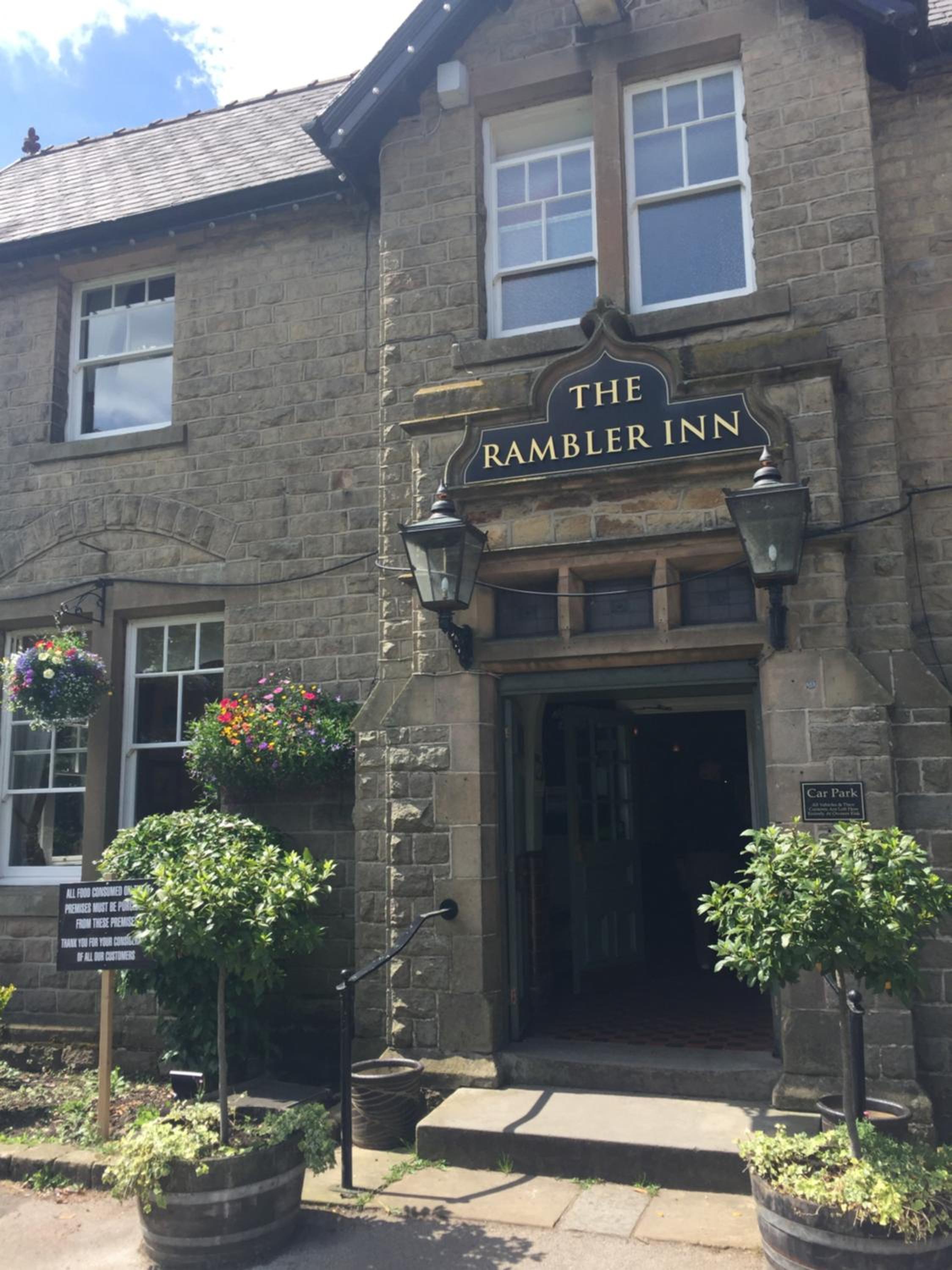 On our list£££Mid-range
The Rambler Inn
Edale, Derbyshire- Five minutes’ walk from Edale station, so no car needed
- The Pennine Way and Kinder Scout from the door
Trade-off: the smallest room is a double.
See the stayPrices vary by date -
 On our list£££Budget
The Twice Brewed Inn
Bardon Mill, Northumberland- Right on Hadrian’s Wall, with single rooms and its own brewery
- A small tasting-menu restaurant for a treat night
See the stayPrices vary by date -
 On our list£££Budget
YHA Brecon Beacons
Libanus, near Brecon- At the foot of Pen y Fan, with private and en-suite rooms
- A bar and hot dinners, so no driving after a big day
Trade-off: it is a hostel, so expect shared lounges and simpler rooms.
See the stayPrices vary by date
Snow and ice cannot be guaranteed in England and Wales, and bad weather can cancel a summit. A base with good valley walks nearby means there is always something to do.
How we chose these
Every stay in this guide comes from our list, and a person checks each one before it is marked Reviewed. For hiking breaks we also check how close the stay is to good walks, and whether it has a drying room and an early breakfast.
Each stay in our guides carries one of three badges, so you can see how far our checks have got:
- Hand-Picked: A stay we have personally vetted, or spoken to directly.
- Reviewed: A stay a person on our team has checked against all four criteria and approved.
- On our list: A stay we have researched and scored, still waiting to be checked by a person.
Not for you if…
You want new experiences without a fixed goal, or something gentler than a long day on the hill. An activity break might suit you better.
Questions people ask
Where can I do a winter skills course in England and Wales?
In the Lake District, the national park’s Fell Top Assessors have run one-day courses on Helvellyn in winter. In Wales, Plas y Brenin in Capel Curig runs winter walking courses in Snowdonia. Snow is not guaranteed, so courses adapt to conditions.
Is winter hiking safe on your own?
It can be, with good planning. Choose routes within your experience, check the mountain forecast, carry the right kit, leave your route with someone and be ready to turn back.
Do I need crampons and an ice axe?
Only for higher ground in snow and ice, and only if you know how to use them. Lower walks, valleys and coast paths rarely need them.
How much daylight is there in December?
Around the shortest day, about seven and a half to eight hours in England and Wales, so plan shorter routes and start early.
Can I join a group walk as a solo traveller?
Yes. Guided walks and walking groups are full of people who came on their own.
What should I pack?
Waterproofs, warm layers, a hat and gloves, a head torch, a map and compass, food and a flask. Add crampons and an ice axe only for winter mountain routes.


